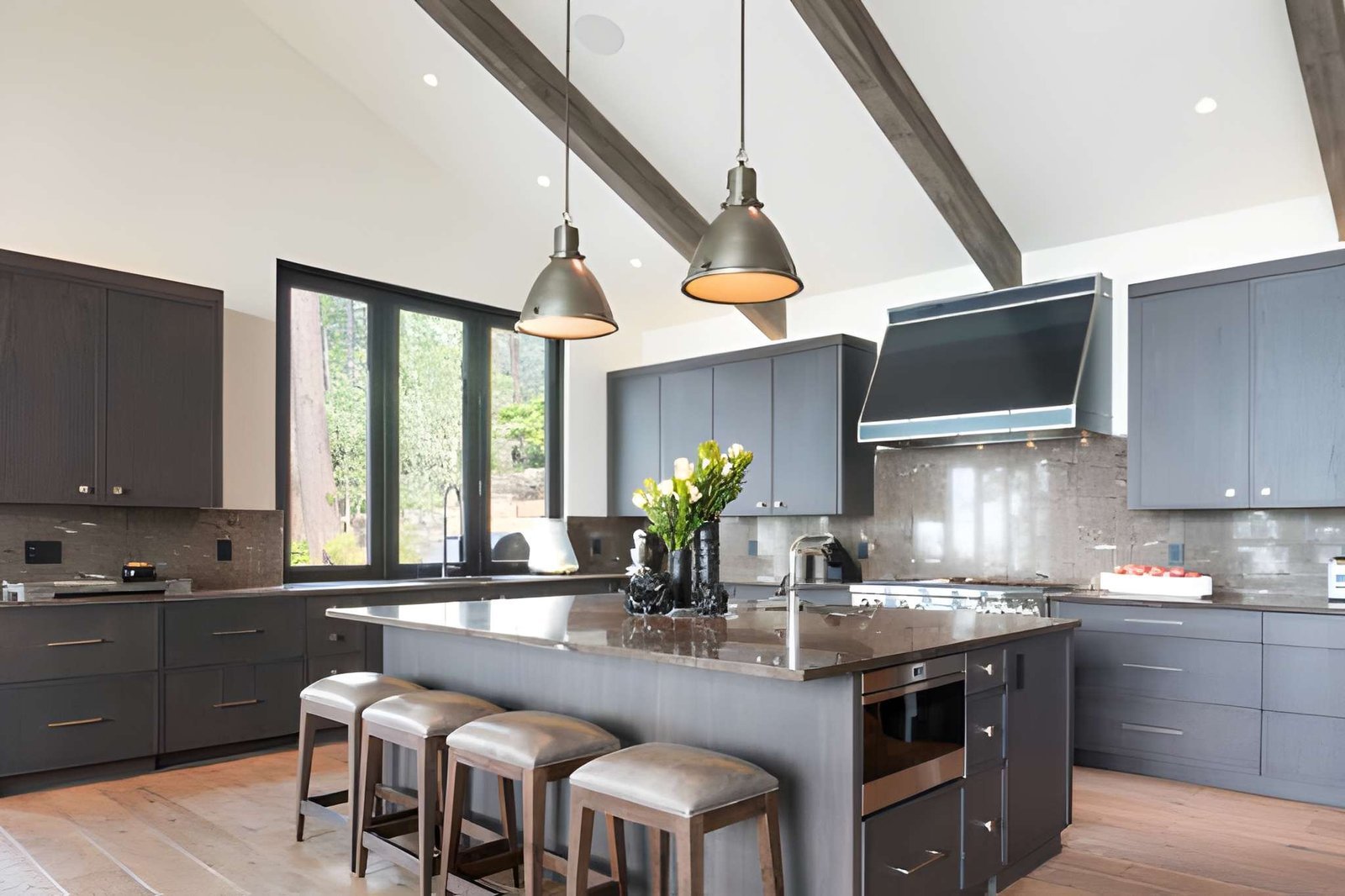
Be honest, when’s the last time you looked at your range hood? Not the quick glance you give it while onions are burning, but actually looked at it. Most people never do. It just hangs there over the stove, doing its job, the way a ceiling fan does.
But it’s prime real estate. It sits right at eye level over your cooktop, which means it’s one of the first things anyone notices walking into your kitchen. Lately, designers have stopped treating hoods like an appliance you tolerate and started treating them like a centerpiece. So if you’ve got a remodel on the horizon, or you’re just bored and browsing kitchen photos at 11pm, here’s a rundown of hood styles worth considering.
Why It’s Worth the Attention
A hood does for a kitchen what a good necklace does for an outfit — the outfit still works without it, but the necklace is what people remember walking away. It draws the eye up, frames whatever backsplash you’ve got going on, and honestly sets the tone for the whole room, whether you’re going for a farmhouse, sleek and modern, or something more old-world.
It’s not just decoration, though. A hood is pulling grease and smoke out of the air before it settles onto your cabinets and, eventually, everything else in the room. So this is one of the few spots in kitchen design where looks and function actually have to cooperate — you can’t fake your way through it.
The Boring but Necessary Stuff First
Before getting into the fun options, a little groundwork. Picking a style before understanding how hoods work is a bit like buying shoes without knowing your size — doesn’t matter how nice they look if they don’t fit right.
Ducted vs. ductless. A ducted hood pulls air out and sends it outside your house. It’s the better option if you actually want smoke and odors gone rather than just moved around. A ductless hood filters air through charcoal and blows it back into the room — easier to install, especially on an island or in an apartment where you can’t vent outside, but it’s not doing as thorough a job.
If you’re mid-renovation and have the choice, go ducted. If you’re renting, or working around plumbing and electrical that’s already there, ductless is often the only real option — and that’s fine.
Sizing. Your hood should be at least as wide as your cooktop, ideally two to three inches wider on each side. Too narrow, and it’s like an umbrella that’s a size too small — technically there, not actually doing much.
For Kitchens That Want to Make a Statement
Copper and brass. Copper warms up a room the way a fireplace does. It develops its own patina over time, so every one ages a little differently. Brass is a bit more polished and glam. Both look great next to warm wood, black hardware, and terracotta or cream tile.
Plastered (Venetian) hoods. Probably the biggest trend right now. The hand-troweled, slightly uneven texture feels European, a little imperfect, almost like it’s been there for a hundred years. It’s a good way to bring some softness into a kitchen full of flat cabinet fronts and hard lines. Pair one with exposed wood beams or a vaulted ceiling, and the two textures end up talking to each other instead of competing.
Black matte steel. Moody, modern, and it reads more like furniture than an appliance — especially against white oak cabinets or marble counters. Striking without going cold.
Styles That Don’t Chase Trends
Not everyone wants a kitchen that looks dated in five years, and that’s a completely fair position.
Stainless steel chimney hoods. They’ve stuck around for decades because they simply work — visually and functionally. Suits almost any kitchen, cleans up easily, never looks out of place. If you like to redecorate every few years without a full gut renovation, this is the safe bet.
Wood-wrapped hoods. Wrapping a hood in wood makes it feel built-in rather than bolted-on. Popular in warmer, transitional kitchens where wood already shows up on the floors, island, or shelving. White oak is the current favorite for its light, Scandinavian grain; walnut brings more drama for a moodier kitchen; reclaimed wood suits farmhouse and cabin spaces where a bit of roughness is the point.
Small Kitchens and Tighter Budgets
You don’t need a huge kitchen or a designer’s budget to make a hood feel intentional.
Under-cabinet hoods tuck beneath your upper cabinets and stay nearly invisible — a smart move in a tight galley kitchen where every inch counts.
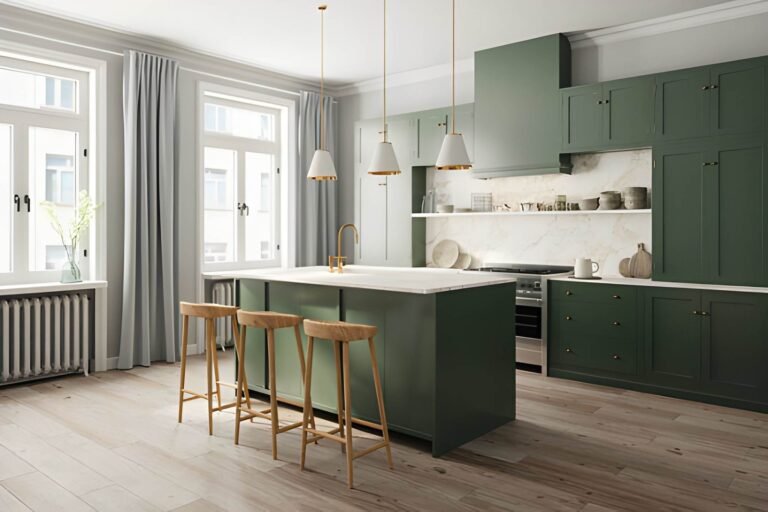
Hidden or panel-front hoods disappear behind a cabinet panel that matches the rest of the kitchen. Quiet and seamless, if you’d rather your cabinetry get the attention instead of your appliances.
Island Hoods
An island cooktop gives you something rare: a hood visible from all four sides, almost floating in the middle of the room.
Drum and dome shapes soften a kitchen full of straight edges and square cabinets, and tend to photograph well too.
Angular or geometric hoods suit a more contemporary kitchen — sharper, more architectural. Think of the difference between a script font and a bold sans-serif: both work, they just say different things.
Matching Finish to Style
Farmhouse kitchens tend to lean wood-wrapped. Modern kitchens go matte black or stainless. Mediterranean and Old World kitchens practically call for plaster or copper. Transitional kitchens can usually pull off almost any of these, as long as the rest of the room supports it.
A quick way to test it: describe your kitchen’s personality in three words — cozy, sleek, rustic, whatever fits — and match the hood material to those words instead of whatever’s trending on Pinterest this month. And if you can, grab a physical sample or finish chip before you commit to anything permanent. Photos lie about texture more than you’d think.
Practical Things to Check Before You Buy
A gorgeous hood that doesn’t actually clear smoke is just an expensive shelf. A few numbers worth knowing.
CFM. Short for cubic feet per minute — basically how much air the hood can move. Rough guideline: 100 CFM for every 10,000 BTUs your cooktop puts out, though gas ranges and heavy stir-fry cooking usually need more on the higher end.
Height. Most manufacturers recommend mounting a hood 24 to 30 inches above the cooktop. Too high and it loses suction. Too low and you’ll be ducking under it every time you check on a pot.
Keeping It Looking Good
A stunning hood loses its charm fast if it’s caked in grease. Wipe down metal finishes weekly with a cleaner suited to the material, and clean or replace filters every one to three months depending on how often you cook.
Stainless steel wipes clean with the grain using a microfiber cloth and mild soap. Copper and brass do better with a dedicated metal polish that protects the patina rather than stripping it. Plaster and painted finishes just need regular dusting — skip anything abrasive.
If your hood sits above a busy cooktop, your cabinets and sink are probably catching some of that grease too, so it’s worth giving those the same attention.
Wrapping Up
Your range hood doesn’t have to be an afterthought bolted above the stove. Whether you’re drawn to a dramatic plastered dome, a warm wood-wrapped chimney, or a no-fuss stainless classic, there’s a version of this that fits your kitchen and your budget. Start with function — ventilation power, size, clearance — and let the style follow. Plan it right, and you’ll spend the next few years admiring the thing instead of just standing under it.
Frequently Asked Questions
What’s the most popular range hood style right now?
Plastered, hand-textured hoods are leading the trend cycle in 2026, especially in warm, European-inspired kitchens, though stainless steel chimney hoods are still the most universally chosen style overall.
Are ductless range hoods actually worth it?
They’re a solid choice when venting outside isn’t possible, but keep in mind they filter the air rather than remove it, so they’re less powerful than a ducted system. They do best in kitchens with light to moderate cooking.
How wide should my range hood be compared to my stove?
Aim for at least as wide as your cooktop, ideally two to three inches wider on each side, so it can actually catch the smoke and steam rising off it.
Can I install a wood-wrapped hood myself?
The wood insert itself can sometimes be a DIY project if you’re handy with basic carpentry, but the electrical and ducting work should always go to a licensed professional.
How often should I clean my range hood filter?
Every one to three months for most households. If you’re cooking daily with a lot of oil, or frying often, lean toward the more frequent end of that range.


Join the conversation