Okay, honest question — how many times have you stood in the middle of your room, looked around, and thought “this just doesn’t feel right”?
Maybe the couch is in a weird spot. Maybe the colors feel dull. Maybe everything just looks… thrown together. You want the room to look nice, but you have no idea where to even start. And hiring a proper interior designer? Come on. That’s expensive. Really expensive.
I get it. Most of us can’t just drop thousands of dollars on a designer. But we also don’t want our homes looking like a furniture warehouse. So what’s the middle ground?
That’s where virtual interior design comes in. And honestly — it’s been a game changer for a lot of people. Let me walk you through exactly what it is, how it works, and whether it’s actually worth your time and money.
Has Interior Design Always Been This Complicated?
Not really. But the way we do it has changed a lot.
Years ago, you either hired someone expensive or just winged it yourself. You’d walk around furniture stores on weekends, grab whatever looked okay, bring it home, and hope for the best. Sometimes it worked. Most times it didn’t.
Now Everything Has Moved Online
Think about it — you can see a doctor online now. You can hire a lawyer online. You can even go to school online. So why would interior design be any different?
It moved online too. And in a lot of ways, it actually got better because of that. Designers can now work with people from completely different cities — different countries, even. And the client doesn’t have to take a day off work just to meet someone at a showroom.
And It’s Not Just for Rich People Anymore
This part surprised me when I first learned about it. Virtual interior design isn’t a luxury service. Normal everyday people use it — young couples setting up their first apartment, parents trying to fix up a kid’s bedroom, people working from home who need their office space to actually feel productive. It’s for everyone now.
Alright — What Actually Is a Virtual Interior Designer?
Simply put — it’s someone who helps you design your home, but does it all online. No home visits. No awkward in-person meetings. Just photos, messages, and a solid plan sent straight to your inbox.
But here’s the thing — there are actually two very different types. And they work quite differently.
Type One: A Real Human Designer, Just Online
This is a proper interior designer — trained, experienced, the real deal. The only difference is they work through the internet instead of coming to your house.
You send them photos of your room. You tell them what you like, what you hate, how much you want to spend. They ask you questions — real ones, like whether you have kids who’ll destroy anything nice, or whether you need the space to feel calm because work has been stressful lately. Then they come back with a full plan. Furniture suggestions, color choices, room layout — everything laid out clearly.
It’s surprisingly personal for something that happens entirely through a screen.
Type Two: An AI App That Figures It Out Automatically
This one is wild, honestly. You download an app or open a website, upload a photo of your room, and answer a few quick questions. Within minutes — sometimes seconds — it gives you design ideas.
How Does an App Even Understand What Your Room Needs?
It sounds like magic, but it’s not. The AI looks at your photo and figures out the rough size of the room, what furniture is already there, and what colors you’re working with. Then it matches all of that against thousands of design combinations and spits out suggestions that actually make sense for your space.
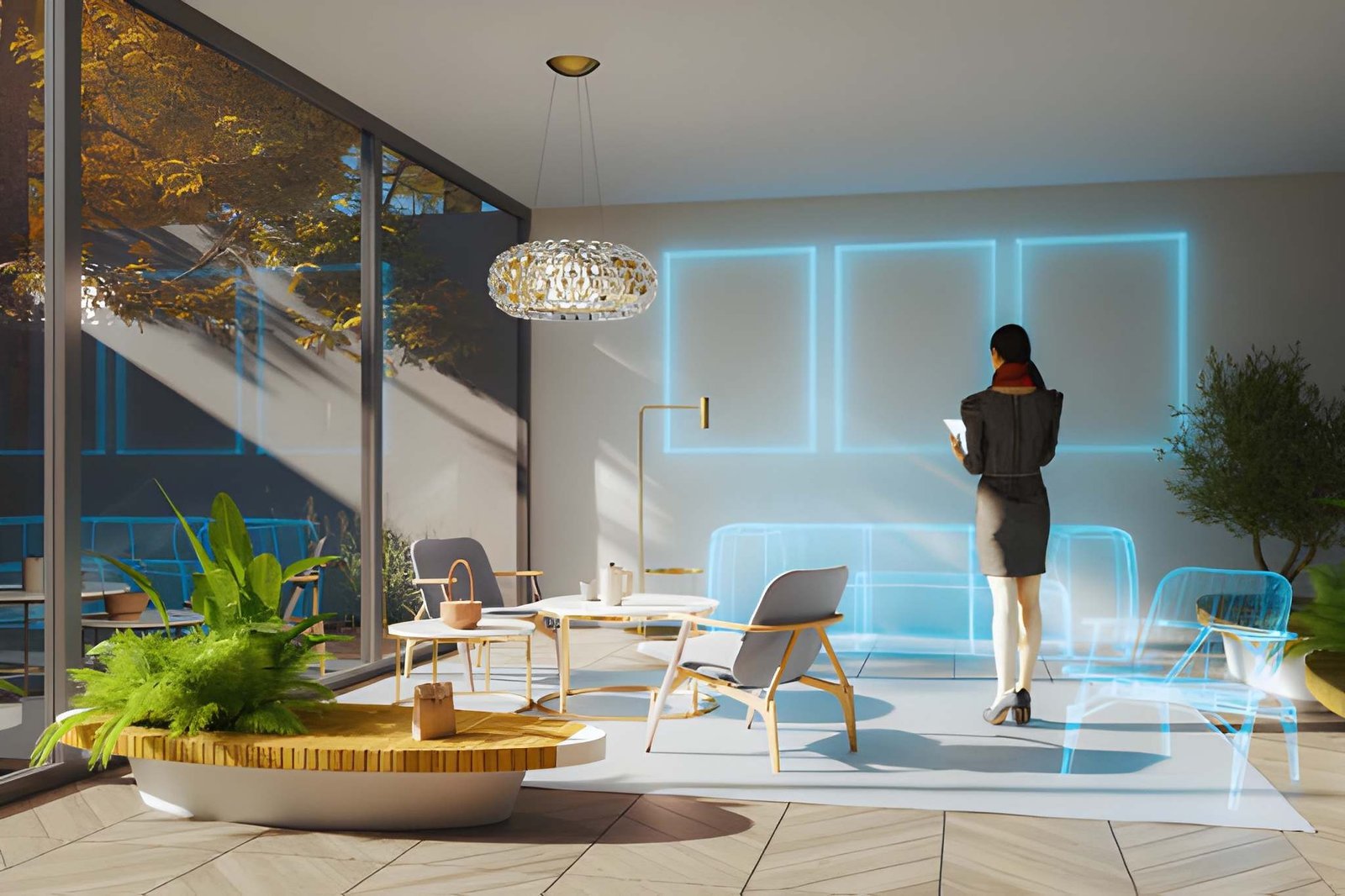
Some apps even let you preview the new furniture in your room using augmented reality. You literally point your phone camera at the room and see a new sofa sitting there — before you spend a single penny. That technology still kind of blows my mind.
How Does the Whole Thing Actually Work, Step by Step?
Whether you go with a human designer or an AI app, the process is pretty straightforward. Here’s what it looks like in real life.
Step One — You Show Them Your Space
You take photos of your room. Good lighting helps. Multiple angles are better. You measure the room if you can, or the platform might guide you through it. Then you fill out a short style quiz — do you prefer minimal and clean, or warm and layered? Bold colors or soft neutrals?
This part honestly takes maybe 20 minutes. It’s easy.
Step Two — They Build Your Design Plan
A human designer will usually take a few days to put together your plan. An AI tool does it faster — sometimes instantly. Either way, what you get back is genuinely useful.
You’ll see a mood board that shows the overall look and feel. You’ll get a furniture list with actual links to buy the pieces. You’ll see a layout showing where things should go in the room. And there’ll usually be a short explanation of why these choices were made — which color works with your existing floors, why that particular sofa fits the size of the room, stuff like that.
It’s not just pretty pictures. It’s a real plan you can actually follow.
Step Three — You Give Feedback and Then Go Shopping
You don’t have to just accept the first version. Hate the rug they picked? Tell them. Want something cheaper? Say so. The plan gets adjusted. You go back and forth until you’re genuinely happy with it.
Then you shop the list. Many platforms link directly to the products, sometimes with discounts through partner stores. You buy what you need, set it up, and suddenly your room looks like someone who actually knows what they’re doing lives there.
How Is This Different from Just Hiring a Regular Designer?
Two big things: money and convenience.
The Price Gap Is Real
A traditional interior designer can charge $150, $200, sometimes $500 per hour. A full room project can easily cost $3,000 to $10,000 or more. Virtual design services charge a flat fee — usually somewhere between $75 and $500 for a full room plan. That’s not a small difference. That’s a massive one.
You Work on Your Own Schedule
No waiting for a designer to have an opening. No taking time off work for home visits. You do it when it suits you — 11pm on a Tuesday if that’s when you have time. Virtual design fits into real life in a way that traditional design just doesn’t.
Okay But Is It Actually Worth It?
Straight answer — yes. For most people, absolutely yes.
If you just need help figuring out what to buy, how to arrange your furniture, and what colors won’t make your room look sad — virtual design handles all of that, at a price that doesn’t hurt. You get real guidance without a crazy bill at the end.
Conclusion
Here’s the bottom line. Your home should feel good to be in. It should feel like you. And you don’t need to be wealthy or have a design degree to make that happen.
Virtual interior design — whether through a real online designer or a smart AI app — gives you a clear plan, honest guidance, and results you can actually see. It’s simple, it’s affordable, and it works.
If your room has been bothering you for a while now, maybe stop putting it off. Start with one room. Follow the plan. You might be surprised how big of a difference it makes.
FAQs
1. Do I need any design skills to use a virtual interior designer?
Zero. You just share some photos, answer a few questions about your taste and budget, and let the designer do the thinking. That’s literally it.
2. What does it usually cost?
A single room plan can cost anywhere from $75 to around $500, depending on the service. AI tools are often free or very cheap. Either way, it’s a fraction of what a traditional designer would charge.
3. Can I use this if I’m renting and can’t make big changes?
Yes — and most virtual designers are very used to working within rental restrictions. They focus on furniture, decor, and layout instead of anything permanent.
4. What if I just don’t like what they come up with?
You give feedback and they revise it. Good platforms include at least one or two rounds of changes in the fee. You shouldn’t walk away with a plan you don’t love.
5. How long does it take from start to finish?
With a human designer, usually about 5 to 7 days for one room. AI tools can get you ideas in minutes. Either way — much faster than the traditional route.




Join the conversation