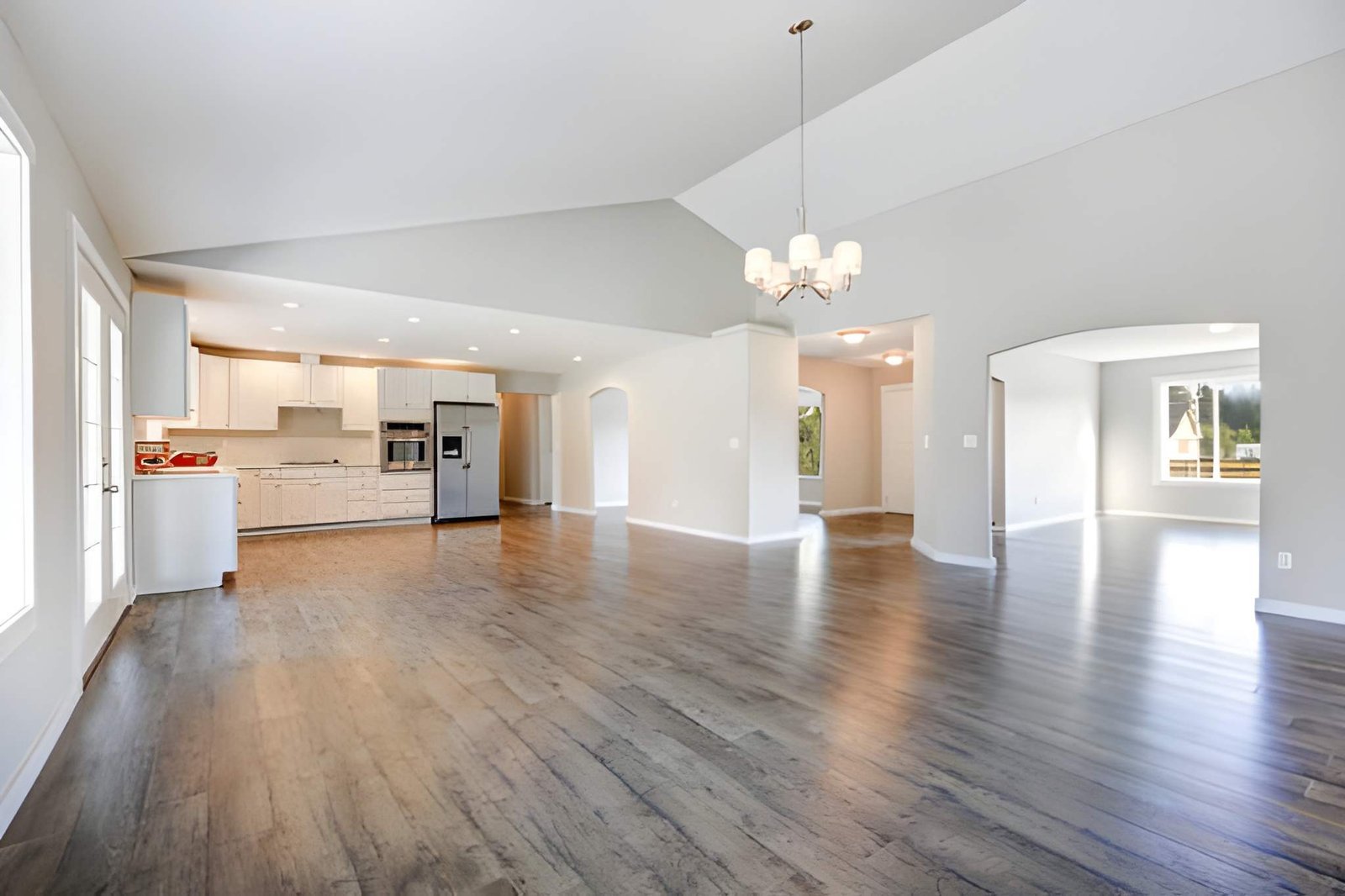
Last Tuesday I got down on my hands and knees and stared at my laminate floor in proper daylight. Streaks everywhere. That cloudy film that won’t shift. A patch near the kitchen door that looked permanently dull no matter what I threw at it.
I’d been mopping it wrong for two years. Turns out, so do most people.
Laminate flooring is genuinely misunderstood. People treat it like tile — lots of water, a soapy bucket, go to town. That approach wrecks it slowly. The fiberboard core soaks up moisture through the joints, swells, warps, and one day you’ve got boards lifting off the subfloor and a flooring contractor quoting you a small fortune.
This guide covers the actual method — simple, low-effort, and the kind that makes your floors look sharp the moment you’re done. No fancy equipment. No expensive products. Just the right approach.
First, Understand What You’re Actually Cleaning
Laminate isn’t wood. People forget that. It’s a photograph of wood — a high-resolution image layer — bonded to a dense fiberboard core. That core is the weak point. It drinks moisture. Get it wet enough, regularly enough, and the floor starts to deform from the inside out.
The wear layer on top? It scratches. Grit and fine sand that sits on the surface acts like sandpaper under your feet every time you walk. That’s why sweeping matters more than most people think — more than mopping, honestly.
Once you understand that, every cleaning decision makes more sense. Less water. Gentler cleaners. Dry fast. Sweep often. That’s the whole philosophy in four phrases.
What to Have Ready Before You Start
The Tools That Work
You don’t need much. But what you use matters.
· Microfiber dust mop or soft-bristle broom — for dry cleaning before anything wet touches the floor
· Flat microfiber mop — NOT a sponge mop, NOT a string mop. Both hold too much water
· A vacuum on hard-floor mode — turn the beater bar off or it’ll scratch
· Spray bottle — gives you control over how much liquid hits the floor
· Dry microfiber cloths — for buffing after mopping
The Cleaner That Won’t Wreck the Finish
Two options that genuinely work: a laminate-specific product like Bona Hard-Floor Cleaner, or a homemade mix — one cup white vinegar into a gallon of warm water. That’s it. The vinegar cuts grease, leaves no residue, and the smell disappears within minutes of drying.
Avoid oil soaps, Pine-Sol, anything with bleach or ammonia, and anything marketed as ‘shine-boosting’ unless it’s specifically for laminate. Those leave a waxy film. That film is what makes floors look hazy. It builds up invisibly, coat after coat, until one day the whole floor looks like it’s been varnished with fog.
The Step-by-Step Cleaning Method
Step 1: Dry Clean the Whole Floor — No Exceptions
Every session starts here. Every single one. Take your dust mop or broom and sweep the room from the far wall toward the door. Get the corners. Get along the baseboards. Get under furniture edges.
Skip this step and you’re basically mopping the dirt in, pushing fine grit around in a wet slurry across the surface. That’s how scratches happen. Two minutes of dry cleaning before anything else — it’s the habit that makes the biggest difference.
Step 2: Set Up Your Solution
Mix your cleaner in a spray bottle if you’re going DIY — vinegar solution as described above. If you’re using a commercial product, dilute it according to the label and load it into a spray bottle. You want a spray bottle specifically because it limits how much liquid goes on the floor at once.
A bucket full of soapy water sitting next to a wet mop is a recipe for a soaked floor. The spray bottle changes your whole relationship with how much moisture ends up on laminate.
Step 3: Work in Small Sections with a Near-Dry Mop
This is the core technique and where most people get it wrong. Spray a small section — three to four square feet. Then mop it immediately with a microfiber mop that’s been wrung until it feels almost dry to the touch.
If you can squeeze visible moisture out of your mop head with one hand — it’s too wet. Wring it more. Then wring it again. The mop should glide over the surface feeling slightly cool and damp, not slick and wet.
Work with the grain of the planks. Move section by section. Spray, mop, move on. Don’t go back over sections you’ve already done — let them dry.
Step 4: Buff Dry Immediately
Follow up each section with a dry microfiber cloth. Just a quick wipe-over to pull remaining moisture off the surface. This single step eliminates streaks almost entirely. It’s also what prevents water from sitting long enough to seep into the joints.
People who skip this step are the ones who end up frustrated that their floor looks worse after mopping than before. Dry it. Every time.
Stubborn Stains and How to Handle Them
Greasy Kitchen Stains
A drop of dish soap on the stain, left for 30 seconds, then a damp microfiber cloth in a slow circular motion. Don’t scrub hard — you’re not trying to sand it off. The soap does the work. Wipe clean with a damp cloth, then dry the spot.
Scuff Marks from Shoes
Rubbing alcohol on a cloth, gentle rub. Done in ten seconds. Wipe the area afterward with a slightly damp cloth to remove any alcohol residue.
Hardened Gum or Wax
Put ice in a zip-lock bag and lay it on the spot for a minute. Cold makes the substance brittle. Once it hardens, a plastic scraper lifts it cleanly. Never metal — metal scratches the wear layer.
Ink or Marker
Nail polish remover (acetone) on a cotton pad, dabbed — not rubbed — directly on the stain. Work from the outside of the stain inward so you don’t spread it. Wipe clean and dry quickly.
Quick Reference: Do’s and Don’ts
| DO THIS | NOT THIS |
| Sweep before every mop session | Mop without dry-cleaning first |
| Wring the mop until nearly dry | Use a dripping wet mop |
| Spray in small sections | Pour liquid directly on the floor |
| Buff dry after mopping | Leave moisture to air-dry on its own |
| Use laminate-safe cleaners | Use bleach, ammonia, or wax products |
| Wipe spills immediately | Let spills sit even briefly |
| Put felt pads under furniture | Drag chairs or tables across the floor |
| Keep humidity between 35-65% | Let rooms get excessively dry or humid |
How Often Does Laminate Actually Need Cleaning?
Depends entirely on the household. Pets, kids, and high foot traffic bump up the frequency. A quiet single-person apartment needs far less attention than a family home with a golden retriever.
A rough schedule that works for most homes:
· Every day or every other day — quick sweep or dust mop. Keeps grit off the surface, which protects the wear layer
· Once a week — damp mop using the method above
· Once a month — check the joints near high-moisture areas like kitchens and bathrooms for any early swelling signs
The daily sweep is honestly the most important habit on that list. Grit is the quiet killer of laminate floors. You don’t see it doing damage — until one day the finish just looks worn and scratched and dull, and there’s no product in the world that fixes physical scratches.
Getting the Shine Back on Dull Laminate
If your floors look hazy and lifeless, the problem is almost certainly product buildup — layers of old cleaner that have accumulated on the surface. The fix is stripping it off, not adding more product on top.
Do a full clean with the white vinegar solution. The mild acidity dissolves cleaning product residue. In bad cases you may need to mop twice. The difference after a proper vinegar clean on buildup-heavy floors is sometimes dramatic — people are shocked how much better it looks without adding any polish at all.
If the floor still lacks shine after that, use a laminate-specific polish like Quick Shine Floor Finish. Apply it thin — one light coat with a microfiber applicator. Let it cure fully before walking on it. Laminate polish is not the same as wax; don’t use hardwood wax on laminate floors.
Habits That Keep the Shine Going
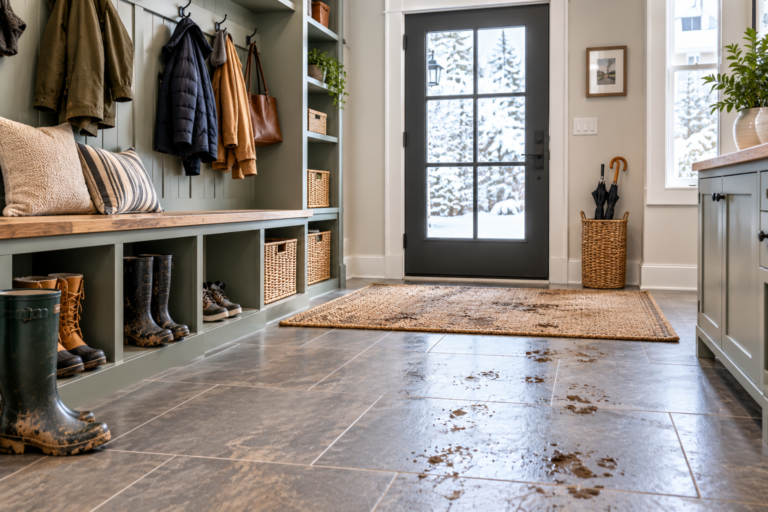
· Entry mats at every door — they catch grit before it reaches the floor
· Area rugs in heavy traffic zones — hallways, in front of the sofa, kitchen work areas
· Felt pads on every furniture leg without exception
· Never a steam mop — heat plus forced moisture is exactly what laminate cores can’t handle
Products Worth Using
These are genuinely good picks based on what flooring professionals and actual homeowners consistently recommend — not just what’s most heavily advertised:
· Bona Hard-Floor Cleaner — residue-free, streak-free, works on all laminate finishes without dulling them
· Method Squirt + Mop Hard Floor Cleaner — plant-based, smells decent, easy application
· Black Diamond Wood & Laminate Floor Cleaner — solid option when you need a deeper clean
· Quick Shine Multi-Surface Floor Finish — the go-to for restoring shine to tired-looking floors
· O-Cedar ProMist MAX Spray Mop — the mop matters as much as the cleaner; this one gives real moisture control
To Wrap It Up
Laminate floors aren’t demanding. They just need the right habits — not more effort, just smarter effort. Sweep first, always. Keep the mop barely damp. Work in small sections. Dry immediately. Use the right cleaner. Clean spills before they become problems.
Follow that and the floor stays in good shape for a long time. Ignore it — especially the water part — and you’ll be shopping for new flooring sooner than you’d planned.
The good news is the right way isn’t the hard way. It’s actually faster and less messy than the bucket-and-mop approach most people grew up watching. Give it one proper try and you probably won’t go back.
FAQs
Can I use a Swiffer WetJet on laminate?
The WetJet dispenses more moisture than laminate floors handle well. Stick to a dry Swiffer Sweeper for daily upkeep, or use a properly wrung microfiber mop with a spray bottle for wet cleaning.
Why does my floor look worse after mopping?
Almost always one of three things — mop was too wet, too much cleaning product was used, or the floor wasn’t dried afterward. Try plain warm water, a barely damp mop, and buff dry right after each section.
Is white vinegar safe for laminate long-term?
Diluted, occasionally — yes. Using it every single day at full strength over months could gradually affect the finish. For weekly mopping, the one-cup-per-gallon dilution is completely fine.
The floor looks cloudy. What’s causing it?
Almost certainly product buildup from cleaners or polish that have accumulated over time. A vinegar mop strips it. In bad cases, two passes. Don’t add more polish on top of old polish — strip first, then restore.
Can I use a robot vacuum on laminate every day?
Yes — and it’s actually a great habit. Set it to hard floor mode with the beater bar off. Daily grit removal is one of the best things you can do for the long-term condition of the surface.

Join the conversation