I’ve helped three different family members pick flooring in the last two years. My sister in Denver, my parents who were finally redoing their 1990s kitchen, and a friend who bought a condo with a half-finished basement he wanted to actually use. Every single time, they called me overwhelmed. Not because the product is complicated, but because nobody had explained it to them in a way that actually made sense.
So that’s what I want to do here. Not a spec sheet dressed up as an article. A genuine walkthrough of what matters, what doesn’t, and how to think about engineered hardwood flooring so you can walk into a showroom or browse online without feeling like you’re being sold something you don’t fully understand.
Engineered hardwood has genuinely earned its reputation as one of the best flooring choices available right now. But there’s a real difference between buying it well and buying it badly, and that gap shows up in how the floor looks and feels five years from now.
First, What Actually Is Engineered Hardwood?
This is the question most people are too embarrassed to ask out loud in a showroom. Engineered hardwood is real wood. That part matters and is worth repeating, because a surprising number of people assume engineered means fake. It doesn’t.
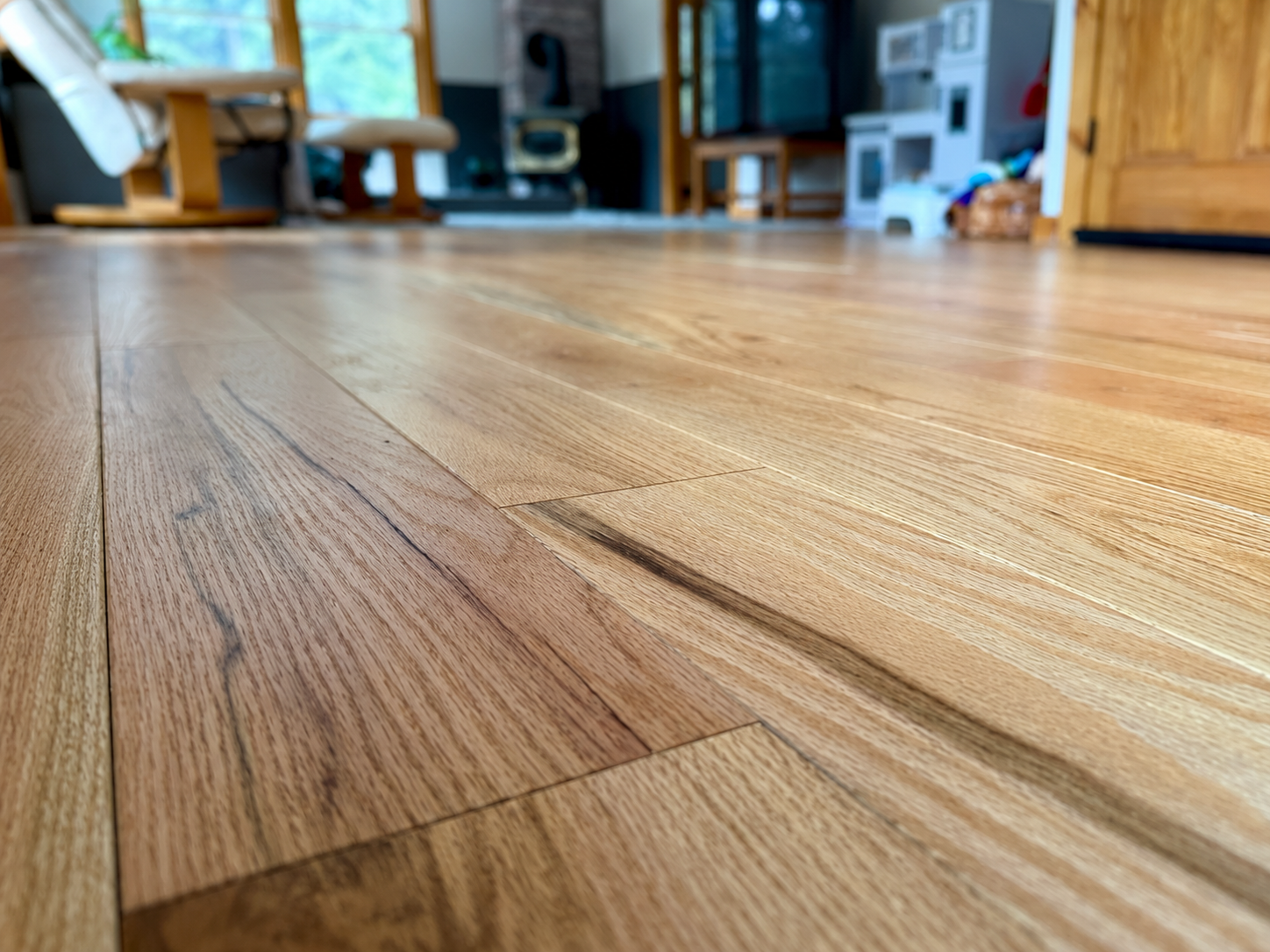
What it means is that the product is built in layers. The top surface is a genuine slice of hardwood, the species you’re actually paying for, the grain pattern you’re admiring, the colour you fell in love with in the catalogue. Underneath that sits multiple layers of plywood or composite material, each one oriented in a slightly different direction, all pressed together under high pressure. The result is a board that has the beauty of real wood on the surface but behaves more like a man-made material in terms of stability.
That cross-layered construction is what makes engineered hardwood so much less fussy about moisture and temperature than solid timber. Solid wood is a living material that breathes and moves. One piece of it, three quarters of an inch thick, expanding and contracting with the seasons. Engineered hardwood does this too, but to a much smaller degree, because all those layers are pulling in slightly different directions and largely cancelling each other out.
The Honest Tradeoff Worth Knowing Upfront
Solid hardwood can be sanded right back and refinished many times over its life. Some old solid wood floors have been refinished seven or eight times across a century of use. Engineered hardwood can’t match that. The wear layer, the top slice of real wood, has a finite thickness. Once it’s gone, you’re done.
But here’s the thing. For most people in most homes, this is entirely theoretical. A well-made engineered hardwood floor with a decent wear layer, properly looked after, will outlive the time most families spend in a single house. People move. Tastes change. The idea that you’ll still be living somewhere in thirty years needing your fourth refinish is much rarer than the flooring industry sometimes implies.
Why 2026 Is Actually a Great Time to Buy
The honest reason is that manufacturing quality has improved enormously over the past decade, and competition has brought good products into a more accessible price range. Wide plank formats that would have cost a fortune ten years ago are now attainable for a typical renovation budget. Finish technology has advanced to the point where surface textures look genuinely organic rather than plastic. And sustainability certifications have matured enough that you can actually trust what’s printed on the packaging.
There’s also been a quiet revolution in waterproof and moisture-resistant core technology, which has expanded where engineered hardwood can realistically go in a home. Rooms that would have been off-limits a decade ago are now fair game with the right product.
What to Actually Look at When Comparing Products
When you’re standing in front of twelve different samples that all look vaguely similar, here’s how to cut through it.
The Wear Layer Is the Number That Tells You the Most
Everything else being equal, the thickness of the top veneer is your best single indicator of how long a floor will last and whether it can ever be refinished. This number is measured in millimetres and it varies enormously between products at different price points.
Anything under two millimetres is thin. It’s not necessarily bad for the right application, say a rental property or a spare bedroom that sees almost no traffic, but it offers no refinishing potential and it will show wear sooner than a thicker product. Between two and three and a half millimetres covers most of the mid-range market. These floors are suitable for typical family homes, can usually be lightly sanded and refinished once, and will perform well for many years with normal care.
Four millimetres and above is where you’re getting into territory that genuinely behaves closer to solid hardwood in terms of lifespan. Kahrs and Mirage, two of the most respected manufacturers in the world, offer products in this range and the difference in how they hold up over time is noticeable. If you’re buying for a home you intend to stay in for a long time, stretching your budget to get into the four millimetre range is a decision you are unlikely to regret.
Core Material and Why It Determines Where You Can Install
The core layers below the veneer are what determine how the floor handles moisture, and getting this wrong is one of the more expensive mistakes you can make. Plywood core remains the industry benchmark for a good reason. Multiple layers of cross-grained timber pressed together resist moisture and dimensional change better than anything else currently available at a comparable price point.
HDF, or high-density fiberboard, gives a very solid, dense underfoot feeling and works beautifully in stable environments. Bedrooms, living rooms, hallways. It is less suitable for basements or any room where moisture is a consideration, because HDF can swell if it gets wet, and once that happens the damage is difficult to reverse.
SPC core, which stands for stone polymer composite, is the newer option and it’s genuinely waterproof rather than just water-resistant. The core material contains no wood at all, so moisture has nothing to swell or warp. If you want to put engineered-looking hardwood in a bathroom or a room with a history of dampness, an SPC core product is worth looking at seriously. Just be aware that underfoot it feels slightly harder than plywood, which some people love and some find less comfortable over long periods.
Wood Species Changes Both the Look and the Durability
The top veneer species affects two things that sometimes pull in opposite directions: how the floor looks and how well it holds up to physical wear. The Janka hardness scale, which measures resistance to denting, is a useful reference here even if the numbers can feel abstract.
White oak is the species that keeps coming up in contemporary interior design and the reasons are real rather than just trendy. It has a beautiful, open grain that photographs well and ages gracefully. It’s hard enough for active family homes and it accepts both stains and natural oil finishes unusually well, giving you a lot of flexibility in how you finish the look. If you’re uncertain about species, white oak is a very safe choice.
Hickory is the one to consider if you have large dogs or children who treat the floor as a multi-purpose surface. It’s significantly harder than oak and its naturally varied grain pattern actually disguises scratches and scuffs better than more uniform species. The look is more rustic and bold, which isn’t everyone’s aesthetic, but for the right home it’s exceptional.
Walnut is soft relative to the other options mentioned here, which means it will show wear more visibly over time. That said, the colour and figure of a good walnut veneer is genuinely stunning, and in a low-traffic room like a master bedroom or a home office, it creates an atmosphere that harder species can’t quite match. Know what you’re getting into with it and choose accordingly.
Plank Dimensions and the Way They Change a Room
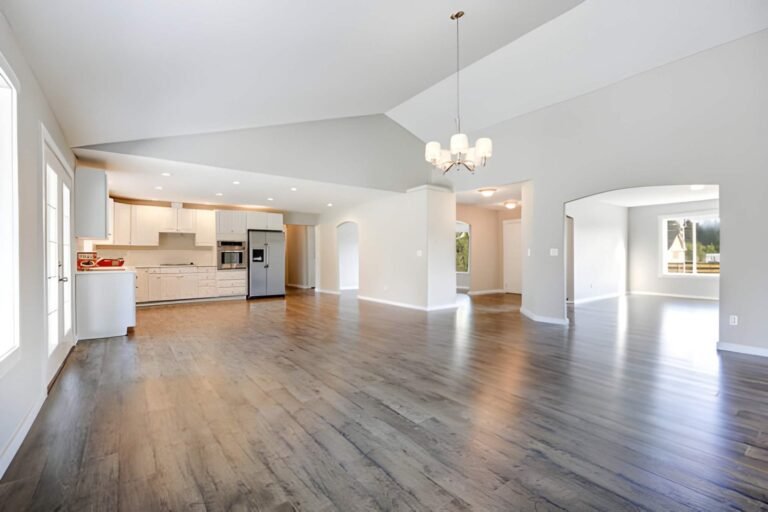
Narrow planks, those in the two to three inch range, suit traditional interiors. Colonial houses, period renovations, rooms with a lot of architectural detail that benefits from a finer texture on the floor. Wider planks, from five inches up to the nine or ten inch formats that have become very fashionable, suit modern and transitional spaces and have the effect of making rooms feel more open and less cluttered.
Longer boards also make a significant visual difference. Fewer end joints across the surface means the floor reads as more continuous and expensive-looking. It’s one of those upgrades that costs moderately more but delivers a visual result that is immediately obvious, even to people who know nothing about flooring.
Finishes: The Practical Side of How Your Floor Lives Day to Day
Hard Coat Versus Natural Oil, and Why It’s Not Just About Looks
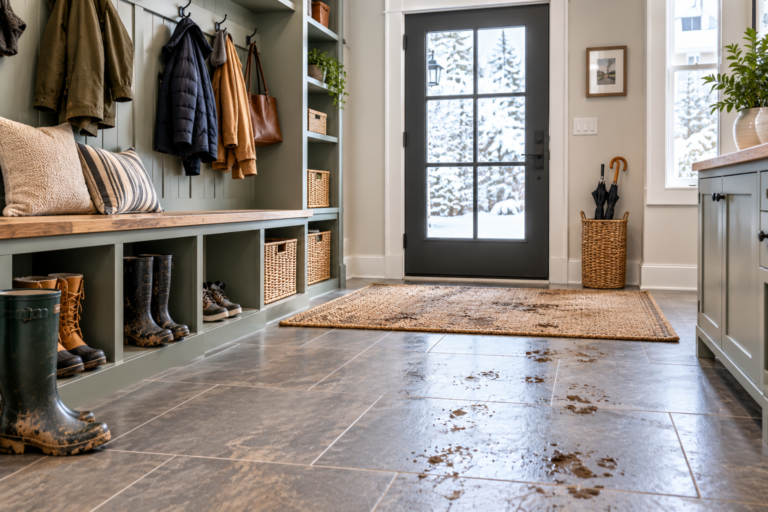
The finish on an engineered hardwood floor is the layer that protects it from your actual life. Spilled wine. Muddy boots. The chair you drag across the kitchen three times a day. Getting the finish right for how you actually live in your home is as important as getting the species right.
Aluminum oxide polyurethane coatings are the dominant finish in the market for straightforward reasons. They’re hard, they’re consistent, they resist scratching well, and they’re easy to clean. You sweep, you occasionally damp mop with the right cleaner, and the floor keeps looking good without much intervention. The appearance can range from quite matte to a soft natural sheen depending on the product, and modern matte polyurethane finishes have become genuinely hard to distinguish from oiled floors to the untrained eye.
Hardwax oil and penetrating oil finishes take a completely different approach. Rather than forming a protective shell over the wood, they sink into the grain and become part of it. The result is a floor that feels warmer and more tactile underfoot, and the visual effect is genuinely beautiful in a way that’s hard to replicate with a surface coating. The grain looks alive. The wood looks like wood rather than wood behind glass.
The practical catch is maintenance. Oiled floors need periodic re-oiling, typically once a year in high traffic areas. They stain more easily if spills aren’t dealt with quickly. They need cleaning products that are compatible with the oil rather than generic hardwood cleaners. For a lot of people, that’s an entirely manageable trade. For others, particularly those with young children or busy schedules, it’s more than they want to commit to.
A Practical Question Worth Asking Yourself
Honestly ask yourself whether you enjoy looking after things or whether you want your floor to look after itself. Neither answer is wrong. One points you toward an oil finish and the pleasure of periodic maintenance that keeps the floor looking better over time. The other points you toward polyurethane and a floor that requires almost nothing from you except regular cleaning. Both options produce beautiful floors. The difference is in the relationship you want to have with the material.
How the Floor Gets Installed Matters More Than People Realize
Three Methods and When Each One Makes Sense
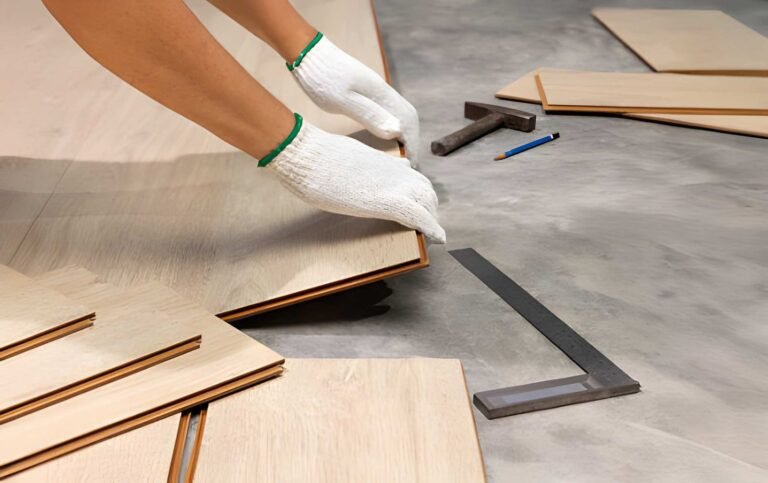
Floating installation, where planks click together and the whole floor sits freely on top of the subfloor, is the most forgiving method for DIY installation and works over the widest range of subfloor types. Over concrete, over existing tile, over plywood, it adapts well. The floor isn’t attached to anything, which means it can expand and contract slightly with temperature and humidity changes. The occasional criticism is that floating floors can feel slightly less solid underfoot than glued ones, and they can transmit more sound between floors.
Glue-down installation produces the most solid, quiet result. The floor is adhered directly to the subfloor and becomes essentially part of the structure. This is the preferred method for rooms with radiant underfloor heating because it maximises contact between the floor and the heat source, and it works especially well on concrete slabs. It is more demanding to install and more difficult to remove if you ever need to, but for long-term installations in permanent homes, a lot of flooring professionals prefer it.
Nail-down is the traditional method for plywood subfloors. It produces a feel that’s closest to solid hardwood installation and has been the industry standard for decades. If you have a wooden subfloor and you want the most authentic, solid feel possible, this is the one. It’s not DIY-friendly without experience and tools, but a professional installation this way tends to produce results that age the best.
Going Room by Room: Where Engineered Hardwood Works and Where to Be Careful
Living Areas and Bedrooms
These are the easy rooms. Almost any quality of engineered hardwood will perform well in a living room or bedroom because the moisture and temperature conditions are stable and traffic is manageable. This is where you get to focus entirely on what looks and feels right rather than worrying about technical specifications.
Kitchens and the Moisture Question
Kitchens are workable but need more thought. Spills happen, steam rises from cooking, and the floor around a sink or dishwasher can get wet repeatedly over years. A plywood core with a tight click system and good sealing around the edges handles this well in most kitchens. The one area to genuinely be careful about is directly in front of the dishwasher, where water can escape from the door seal. Consider a waterproof mat or an SPC-core product for that specific zone if it’s a concern.
Basements and Concrete Subfloors
Moisture testing is non-negotiable before laying any wood product in a basement. Concrete slabs transmit ground moisture upward and the rate varies considerably depending on the age of the slab, the drainage around the building, and the climate. A calcium chloride test or a digital moisture meter will give you the reading you need. If the slab is within acceptable limits, a plywood core floating installation works very well. If moisture is elevated, an SPC core product is the safer choice.
Brands That Are Actually Worth Recommending
There are dozens of brands competing for attention in the engineered hardwood market, but a much smaller number of them have established genuine reputations for consistent quality. Kahrs, the Swedish manufacturer with over 150 years in the timber industry, is consistently cited by flooring professionals as producing some of the finest engineered hardwood available anywhere. Their sustainability practices are among the best in the industry. Mirage, made in Canada, is another name you’ll hear from people who install and specify flooring professionally. The tolerances on their products are unusually tight and the wear layers are genuinely what the packaging says they are.
Shaw Floors offers probably the broadest range of the major brands, from accessible entry-level products through to genuinely premium collections, and their warranty terms tend to be clearly written and straightforward to understand. For Scandinavian-influenced design with excellent build quality, Boen is worth looking at. And for anyone who wants the rustic character of hand-scraped or heavily textured surfaces, Hallmark Floors produces some of the most distinctive looking engineered hardwood on the market.
Understanding What Things Actually Cost
The price range in engineered hardwood is genuinely wide, and understanding roughly what you get at each tier helps you figure out where the right stopping point is for your situation.
| Quality Tier | Material Cost per sq ft | Installation per sq ft | Full Project Estimate |
| Budget Range | $2 to $5 | $3 to $5 | $5 to $10 per sq ft |
| Mid Range | $5 to $10 | $4 to $6 | $9 to $16 per sq ft |
| Premium Range | $10 to $20+ | $5 to $8 | $15 to $28+ per sq ft |
Budget products in the two to five dollar per square foot range typically have thin wear layers and HDF cores. They look fine when new and serve adequately in low-traffic situations, but they’re unlikely to be around in twenty years looking good. Mid-range products are where most homeowners end up and, genuinely, where a lot of the best value sits. You get plywood cores, wear layers above three millimetres, and finish quality that will hold up well. Premium products above ten dollars per square foot offer thicker veneers, better core materials, superior finish technology, and often more interesting and unusual surface textures and species choices.
Add ten percent to your square footage calculation for waste and cuts. Factor in underlayment if you’re doing a floating installation, which runs roughly fifty cents to a dollar per square foot for a decent product. And get at least three installation quotes, because labour pricing varies quite a bit by region and by contractor.
Sustainability and Why It Matters More Now
The flooring industry has made real progress on sustainability and the certification systems have matured to the point where they’re worth paying attention to. FSC certification, from the Forest Stewardship Council, tells you the wood was sourced from forests managed to protect biodiversity, local communities, and long-term ecological health. It’s not perfect but it’s the most credible third-party verification available for timber products.
GREENGUARD Gold certification addresses the indoor air quality side of things. It means the adhesives and finishes in the product have been independently tested and found to emit very low levels of volatile organic compounds. This matters most in homes with young children, people with asthma, or anyone sensitive to indoor air quality. Most reputable manufacturers have pursued this certification and will have it listed in their product documentation.
Several manufacturers are also experimenting with faster-growing core materials, including eucalyptus-based composites, as a way of reducing pressure on slow-growing hardwood forests. If environmental impact matters to your purchasing decision, asking about core material composition alongside FSC certification is the right approach.
Keeping Your Floor Looking Good After It’s In
The maintenance question is simpler than most people fear. The thing that damages engineered hardwood surfaces most consistently isn’t heavy foot traffic, it’s abrasion from small particles. Sand, grit, and fine debris act like sandpaper when they’re ground underfoot repeatedly over time. So the single most effective maintenance habit is simply sweeping or vacuuming regularly to remove that material before it does damage.
Weekly damp mopping with a cleaner specifically formulated for hardwood floors takes care of everything else. The word damp is doing important work in that sentence. A mop wrung out to near-dryness, not a wet mop, not a soaking mop. Water sitting on the surface, or worse, seeping between boards through an unsealed edge, is what causes real long-term damage to engineered hardwood.
Steam mops are genuinely harmful regardless of what certain manufacturers claim. The heat softens finishes over time and the moisture gets into places that ordinary cleaning doesn’t reach. Worth avoiding entirely.
Felt pads under furniture legs are inexpensive and make a measurable difference. Maintaining indoor humidity between about 35 and 55 percent prevents the seasonal movement that can open up gaps in floating installations during dry winters. And if you have a floor with an oil finish, setting a reminder to re-oil high-traffic areas once a year will keep it looking dramatically better than neglecting it.
Conclusion
The best engineered hardwood floor for your home is the one that fits where you’re actually installing it, suits how your family actually lives, and sits at a quality level that will still be rewarding you in fifteen years. That calculation is different for every house and every household.
What I hope this has done is give you the vocabulary and the framework to make that judgment yourself rather than relying entirely on someone who wants to sell you something. Wear layer thickness. Core material. Species hardness. Finish type. Installation method. These are the five things that actually determine how a floor performs. Everything else is aesthetics and personal preference, which matter enormously, but only after the fundamentals are right.
Take your time with this decision. Look at samples in your actual home in your actual light. And don’t let anyone rush you into a choice you’re not fully confident in. A good floor is worth getting right.
Frequently Asked Questions
How many years should I realistically expect from a quality engineered hardwood floor?
A well-made product with a wear layer of three millimetres or more, properly installed on a suitable subfloor and given basic regular maintenance, should look excellent for 25 to 40 years in a typical home. Premium products with thicker veneers can last even longer, particularly if the wear layer is thick enough to permit refinishing when the surface eventually shows its age.
Can engineered hardwood go over underfloor radiant heating systems?
Yes, and this is genuinely one of its advantages over solid hardwood. The cross-ply construction handles the thermal cycling of a radiant heat system much better than solid timber, which can gap and warp significantly with repeated heating and cooling. Glue-down installation is preferred for radiant heat applications because it maximises contact between the floor and the heat source. Check the manufacturer’s stated maximum surface temperature limit before installation to confirm compatibility with your specific system.
Is engineered hardwood something I can install myself?
Click-lock floating systems are accessible for a competent DIYer who’s willing to do the subfloor preparation properly and take their time with the installation. Glue-down and nail-down methods are more demanding and genuinely benefit from professional experience. Subfloor preparation in particular, getting the surface level, dry, and structurally sound, is where amateur installations most commonly go wrong and where the results of cutting corners show up years later.

Join the conversation