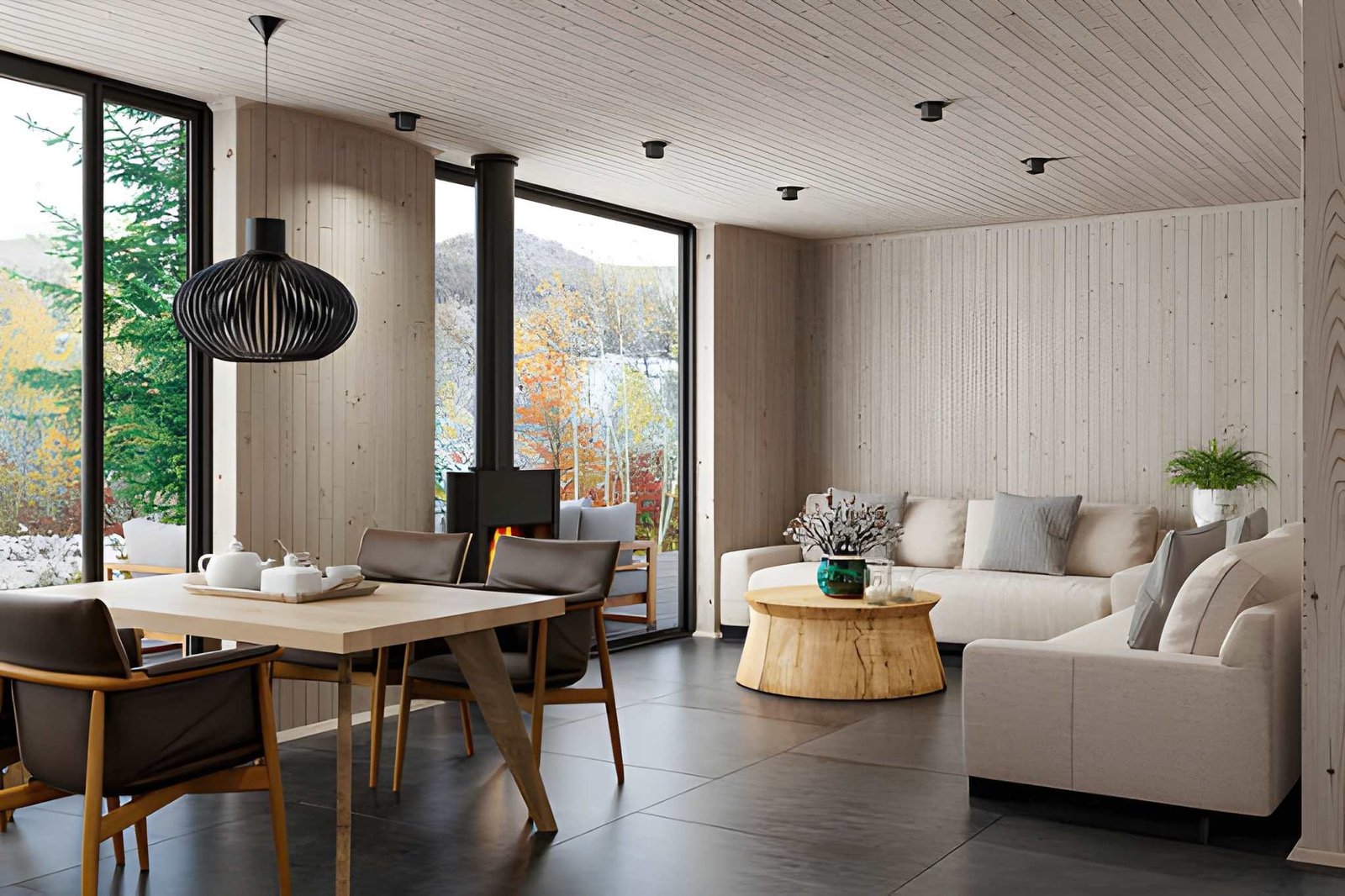
Small living rooms are tricky. Not impossible — just unforgiving. When you’re working with 120 to 200 square feet (or less, in some city apartments), one bad furniture choice can make the entire room feel like a waiting room that’s slightly too full. The good news is that the fixes are usually simpler than people think. Not “buy all new furniture” simple, but “a few specific decisions made in the right order” simple.
Here’s what actually helps.
Why Small Rooms Can’t Use the Same Rules as Big Ones
What works in a large open-plan space falls apart in a tight, boxed-in room. Dark paint that looks moody and dramatic in a 400-square-foot loft just closes in a 150-square-foot living room. Big sectionals that anchor a spacious layout eat up all the floor in a smaller one.
The goal in a small room isn’t to make it look like a bigger room — it’s to make it feel livable and comfortable at its actual size.
The Mistakes That Show Up Over and Over
Before getting into what to do, it helps to know what kills small rooms quickly.
Buying furniture before measuring is the most common one, and it’s entirely preventable. People find something they love online, order it, and then discover it takes up three-quarters of the room or blocks the door swing.
Pushing everything against the walls seems logical — you’re trying to create open floor space. But it usually creates a weirdly dead zone in the center and makes the room feel like a furniture showroom rather than a place to actually sit.
Over-decorating is the third big one. Every item added past a certain point starts to compete for attention rather than add to the room. A shelf crowded with small objects, three gallery walls, too many throw pillows — at some point it all blends into visual noise.
Measure First, Shop Later
A floor plan isn’t the exciting part of decorating. But it’s the part that prevents you from shipping a sofa back three weeks after buying it.
Get the length, width, and ceiling height. Note where the doors, windows, and outlets are — all of them limit where furniture can realistically go. A laser measure makes this faster, but a regular tape measure works fine. Apps like MagicPlan or RoomScan can generate a rough floor plan from your phone camera, which is useful when you’re shopping and need to compare actual room dimensions against a product listing.
Paint Color Does More Work Than People Give It Credit For
The single decision that changes how large a room reads — more than almost anything else — is paint color.
Soft tones like off-white, pale gray, and warm beige reflect more light and make walls feel like they sit farther back. They’re not boring choices; they’re functional ones. Dark colors aren’t forbidden, but they work better as accents than as full-wall decisions in a small room.
If you want some contrast, one deeper-toned wall can look intentional and add dimension. Two or three accent walls in the same small space, though, tend to do the opposite — they close the room in instead of opening it up.
Furniture: Size and Function Both Matter
In a small living room, every piece of furniture has to earn its spot.
Multi-functional pieces do that faster than anything else. A storage ottoman works as a coffee table, extra seating, and hidden storage all at once. Nesting tables take up the footprint of one table but give you two or three surfaces when you need them. Sofa beds are obvious but genuinely useful if the room doubles as a guest space. Lift-top coffee tables that open into a small desk are worth looking into if you work from home.
For general sizing: a two-seater or apartment-size sofa fits better than a full sectional. A round coffee table under 36 inches is easier to move around than a rectangular one. A tall, narrow bookshelf uses vertical space instead of floor space — it’s one of the better trade-offs available in a tight room.
One arrangement tip that surprises people: pulling furniture a few inches off the walls, rather than pushing it flush against them, usually makes the room feel more open. Aim for a walking path of about 30 inches between pieces so the layout stays functional.
Lighting Changes the Feel of a Room Without Touching the Walls
A single overhead light flattens a room. It fills the space with light but doesn’t do anything interesting with it.
Layering light — a floor lamp here, a table lamp there, maybe a small accent light somewhere — distributes brightness more evenly and makes the ceiling feel taller. It’s a relatively inexpensive change that has a noticeable effect on how the room reads at night.
During the day, the goal is getting as much natural light in as possible. Sheer curtains let light through while still giving some privacy. Heavy drapes that block light make a small room feel darker and smaller — useful sometimes, but worth being intentional about.
Mirrors: Old Trick, Still Works
Placing a mirror across from a window reflects light back into the room and creates a sense of depth that isn’t actually there. This isn’t a new idea — reflective surfaces have been used in interior design for a very long time, well before modern lighting changed how rooms worked. The reason it keeps showing up in decorating advice is because it genuinely works.
You don’t need a wall-to-wall mirror. A large-ish mirror positioned to catch window light is enough to make a difference.
Clutter Reads as Small
A room that’s packed with things feels small regardless of how many square feet it actually is. This is worth taking seriously.
Vertical storage helps a lot here. Tall shelving uses wall space rather than floor space. Floating shelves get everyday items off tabletops and out of the visual field, which makes the floor area look larger.
The goal isn’t to make the room sterile — it’s to be selective. A few pieces that matter (one strong piece of art, a plant, a rug with some color) work better than many small objects competing for attention.
Quick Reference: Paint Colors
| Color | What It Does | Pairs Well With |
|---|---|---|
| Soft White | Brightens, opens the space | Light wood furniture |
| Pale Gray | Calm, modern feel | Navy accents |
| Warm Beige | Cozy, inviting | Natural textures |
| Sage Green | Fresh, grounding | Cream and tan tones |
Quick Reference: Furniture Sizing
| Piece | Recommended Size | Notes |
|---|---|---|
| Sofa | 2-seater or apartment-size | Skip oversized sectionals |
| Coffee Table | Round, under 36 inches | Easier to move around |
| TV Stand | Low-profile | Keeps sightlines open |
| Bookshelf | Tall and narrow | Uses vertical space |
Final Thought
The through-line in all of this is proportion — making choices that fit the room rather than working against it. Lighter colors, furniture sized for the actual space, layered lighting, and a few well-chosen pieces will do more than a full redesign that doesn’t account for the room’s actual dimensions.
None of this requires a big budget. Most of it just requires measuring before buying, and thinking about each piece before adding it rather than after.
Frequently Asked Questions
What layout works best in a small living room? Pull furniture slightly away from the walls and keep a clear 30-inch walking path. Pushing everything flat against the edges usually leaves an awkward dead zone in the middle rather than opening the room up.
Can you use dark colors in a small room? Yes, in limited amounts. A single accent wall or one darker piece of furniture works. Painting all the walls dark tends to close the room in.
How much furniture is too much? A commonly used guideline is that furniture shouldn’t cover more than about half the total floor space. Beyond that, the room starts to feel crowded.
Do mirrors actually make a room look bigger? They do. They reflect light and add a sense of depth — especially useful when placed across from a window.
What’s the cheapest way to make a small living room feel bigger? Declutter, then repaint in a lighter color. Both cost very little and tend to have a noticeable effect pretty quickly.
You can read this blog for more information: https://homevisionhub.com/how-to-decorate-a-living-room-with-simple-things

Join the conversation