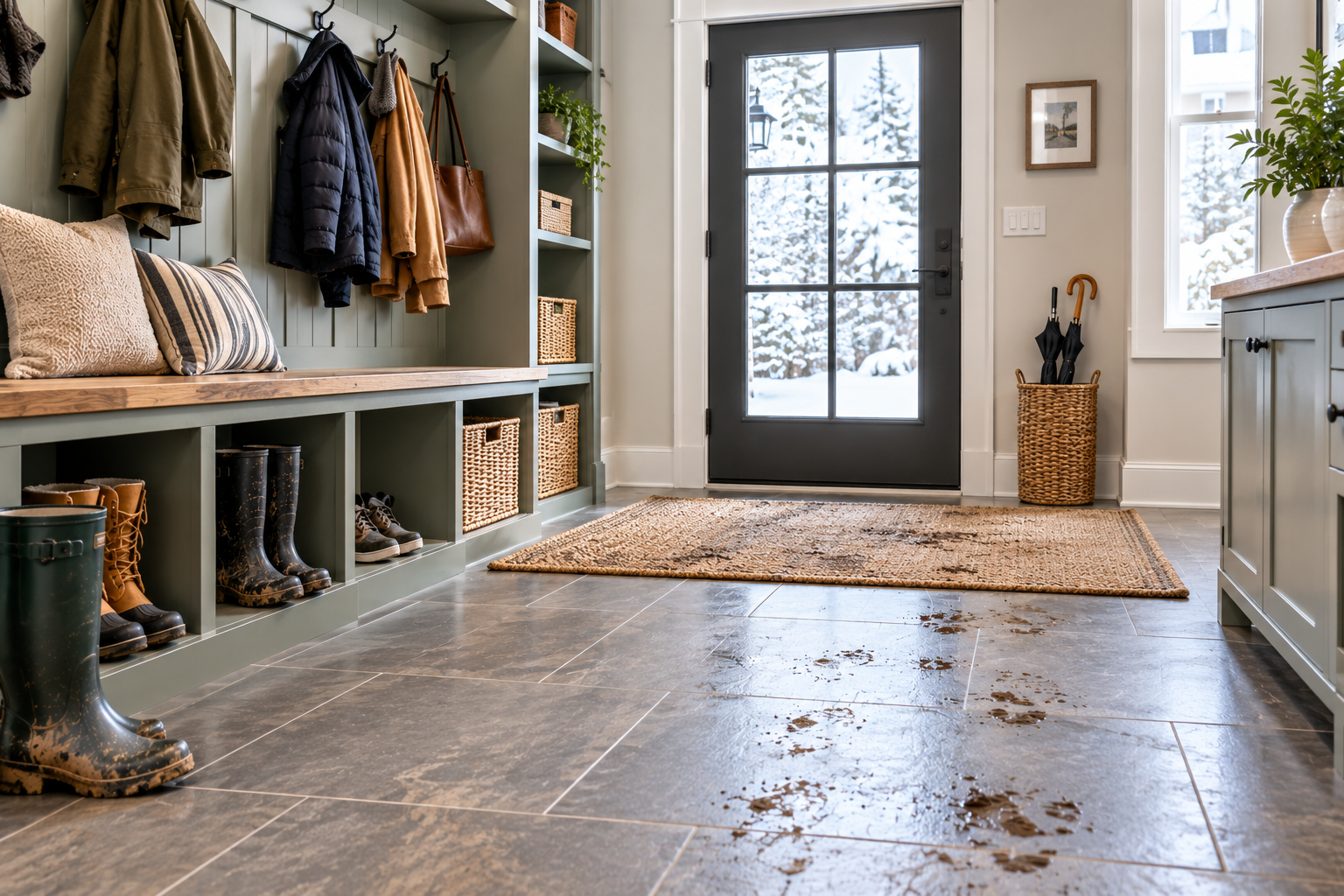
Your mudroom takes more punishment before 9 a.m. than most rooms see in a week. Wet boots, dropped grocery bags, dog paws fresh from the backyard, and kids dragging in sand from the playground. If you have ever wondered why your mudroom floor looks tired within a year while the living room floor still shines, the answer is simple. You picked the wrong material for the job.
This guide walks you through the most durable flooring for mudroom spaces, why each option holds up (or does not), and how to pick the right one for your home, budget, and lifestyle.
Why Mudroom Flooring Takes More Abuse Than Any Other Room
Think of your mudroom as the front line of your house. It absorbs moisture, grit, salt, and temperature swings every single day. Unlike a bedroom or a home office, this space rarely gets a break. Standing water from melting snow, sand tracked in from the beach, or a spilled bowl of dog food can all sit on the floor for hours before anyone notices.
That is exactly why picking the right surface matters so much. A weak choice here does not just look bad, it can warp, stain, or even rot over time.
What Makes a Flooring Material Durable Anyway?
Before comparing products, it helps to know what “durable” actually means in this context. Not every tough looking material is built for a mudroom.
Water Resistance
Your floor needs to shrug off puddles, not soak them up. Materials that absorb moisture, like unsealed wood, will swell, cup, or grow mold.
Scratch and Impact Resistance
Between dog nails, dropped tools, and the occasional sled being dragged through, your floor needs a thick skin.
Ease of Cleaning
If it takes twenty minutes and three cleaning products to mop up a muddy footprint, you picked wrong. The best mudroom floors clean up with a broom and a damp mop.
Top Durable Flooring Options for Your Mudroom
Here is where things get practical. These are the materials that consistently perform well in high traffic, high moisture entryways.
Porcelain Tile
Porcelain tile is about as close to bulletproof as flooring gets. It is dense, nearly waterproof once sealed at the grout lines, and resists scratches from claws and cleats alike. Many homeowners choose porcelain that mimics wood or stone for a warmer look without sacrificing toughness.
The tradeoff? Tile is hard underfoot and cold in winter unless you add radiant heating. It is also a bit pricier to install than vinyl.
Luxury Vinyl Plank (LVP)
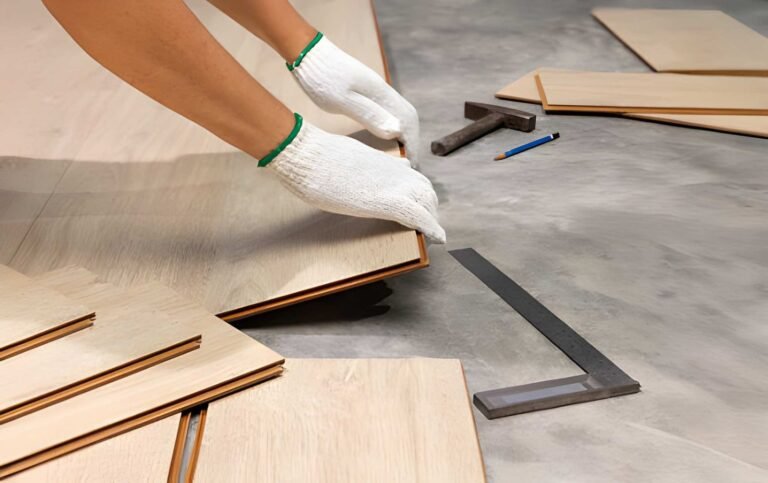
If you want something budget friendly that still performs, LVP is hard to beat. It is fully waterproof, scratch resistant, and comes in styles that convincingly mimic hardwood or stone. Installation is also relatively quick, which matters if you are trying to avoid a multi week renovation.
Sealed Concrete
Got a concrete slab already under there? Sealing and staining it might be your cheapest, toughest option. Sealed concrete laughs off water, salt, and heavy boots. It is a favorite in mudrooms attached to garages because the two spaces flow together seamlessly.
Rubber Flooring
Rubber tiles or rolls are common in gyms for a reason: they take a beating and bounce back. In a mudroom, rubber flooring offers slip resistance (a real bonus when floors are wet) and a bit of cushioning that is easier on your knees and back.
Natural Stone
Slate, travertine, and granite bring a high end look and serious durability. Stone naturally resists moisture and wear, though it usually needs periodic sealing to stay stain free. This is a premium option, both in price and in visual impact.
Flooring Materials to Think Twice About
Not every attractive flooring choice belongs in a mudroom. A few materials look great on a showroom floor but struggle once real life moves in.
Solid Hardwood
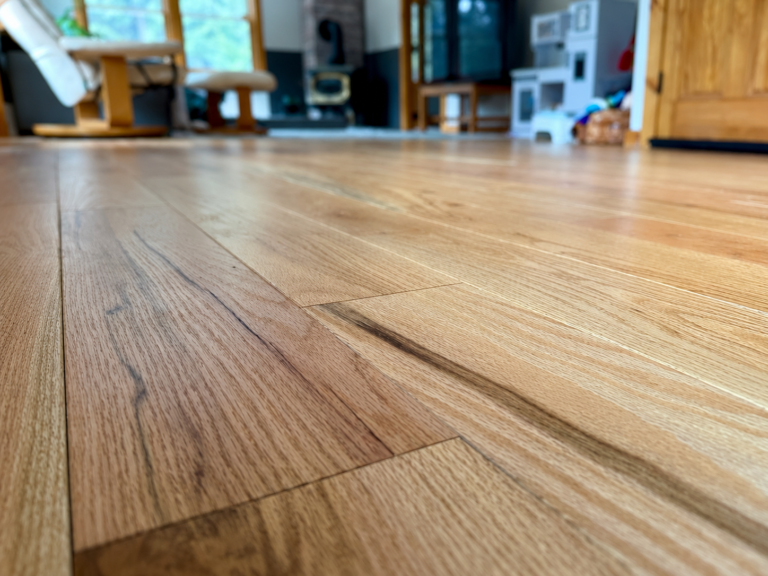
Hardwood is beautiful, but it is also thirsty. It absorbs moisture from wet boots and paws, which can lead to warping, cupping, or staining over time. Even with a protective finish, hardwood is a risky pick for a room that regularly deals with snowmelt and rain.
Carpet
Carpet in a mudroom is basically asking for trouble. It traps moisture, holds onto odors, and stains permanently from mud, salt, and pet accidents. If you love the softness of carpet, save it for a bedroom instead.
Comparing Mudroom Flooring Options at a Glance
| Material | Water Resistance | Cost Range | Maintenance |
|---|---|---|---|
| Porcelain Tile | Excellent | Moderate to High | Low |
| Luxury Vinyl Plank | Excellent | Low to Moderate | Low |
| Sealed Concrete | Excellent | Low | Very Low |
| Rubber Flooring | Very Good | Moderate | Low |
| Natural Stone | Good (needs sealing) | High | Moderate |
| Solid Hardwood | Poor | Moderate to High | High |
| Carpet | Poor | Low | High |
How to Choose the Right Flooring for Your Mudroom
With so many solid options, how do you actually decide?
Consider Your Climate
Live somewhere with harsh winters and lots of snow and salt? Prioritize water resistance above almost everything else. Porcelain, LVP, and sealed concrete all shine here.
Match Your Budget
You do not need the most expensive material to get great durability. LVP and sealed concrete deliver excellent performance without draining your renovation budget.
Think About Maintenance Time
Be honest with yourself about how much upkeep you actually want to do. If mopping once a week sounds like plenty, skip materials like natural stone that need regular resealing.
Installation Tips for Long Lasting Mudroom Floors
A great material installed poorly will not last. Keep these tips in mind:
- Always use a moisture barrier under vinyl or tile if the mudroom sits on a slab
- Leave a small expansion gap around the perimeter for vinyl plank flooring
- Choose slip resistant finishes, especially near exterior doors
- Add a durable entry mat just inside the door to catch the worst of the mud before it hits your new floor
Caring for Your Mudroom Floor Season by Season
Durability does not mean maintenance free. A little seasonal care goes a long way.
- In winter, wipe up salt residue promptly since it can dull finishes over time
- In spring, deep clean grout lines or seams where mud tends to collect
- In summer, watch for sand and grit that can scratch softer finishes like vinyl
- In fall, add extra mats as leaves and moisture increase foot traffic mess
For more room by room flooring advice, check out our related guide on dining room flooring options to keep the rest of your home just as tough and stylish.
According to the National Wood Flooring Association, moisture control is one of the leading factors in flooring longevity, which is exactly why entryways and mudrooms deserve special attention when choosing materials.
Final Thoughts
Choosing durable flooring for a mudroom is not about finding the flashiest option, it is about matching the material to the abuse your entryway takes every single day. Porcelain tile, luxury vinyl plank, and sealed concrete consistently rank among the toughest choices, while hardwood and carpet tend to struggle. Think about your climate, your budget, and how much upkeep you are willing to do, and you will land on a floor that looks good for years, not months.
Frequently Asked Questions
Is luxury vinyl plank really durable enough for a mudroom? Yes. High quality LVP is fully waterproof and resists scratches well, making it one of the most practical choices for busy entryways.
Can I install tile over a concrete slab in my mudroom? In most cases, yes. Tile bonds well to concrete as long as the slab is level, clean, and free of cracks before installation.
What is the cheapest durable flooring option for a mudroom? Sealed concrete is typically the most budget friendly option if you already have a slab, since it skips the cost of new material entirely.
Does rubber flooring smell in a mudroom? Some rubber products have a mild odor when first installed, but this usually fades within a few weeks, especially with proper ventilation.
How often should I reseal a natural stone mudroom floor? Most natural stone floors need resealing every one to two years, depending on foot traffic and the type of stone used.

Join the conversation