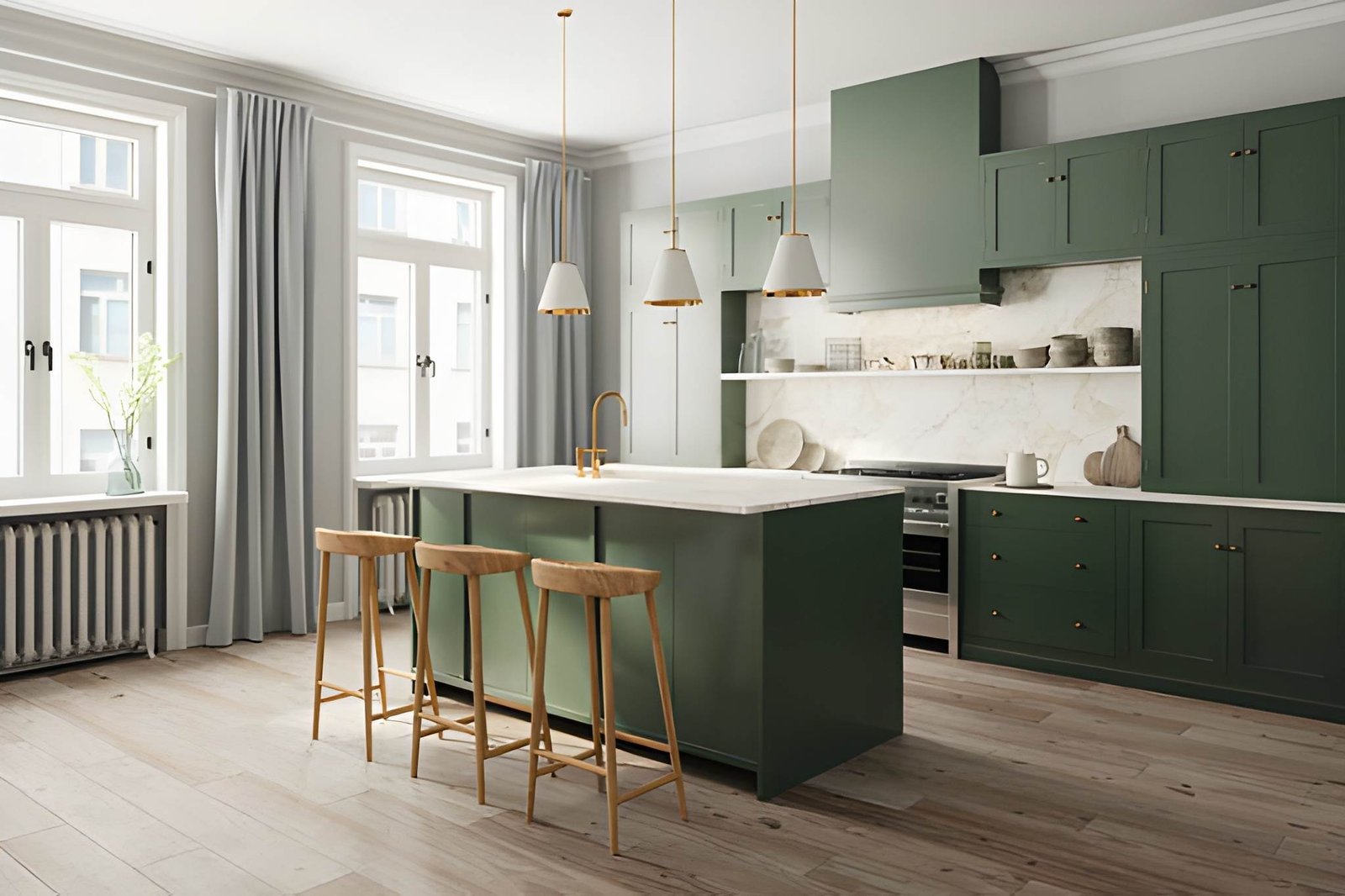
Let’s be honest. Kitchen cabinets take a beating every single day. Between cooking grease, sticky fingerprints, and food splatters, they can get grimy fast. But here’s the thing: learning how to clean kitchen cabinets the right way doesn’t have to feel like a chore. With the right approach, you’ll have cabinets that look brand new in less time than you think.
Whether you’re dealing with wood, painted, laminate, or white cabinets, this guide has everything you need.
Why Cleaning Kitchen Cabinets Matters More Than You Think
You might be tempted to skip cabinet cleaning when you’re doing your weekly kitchen wipe-down. But neglecting them has real consequences. Grease buildup doesn’t just look bad. It can actually attract bacteria, make doors stick, and even damage the finish over time.
Think of your cabinets like your teeth: skip cleaning them long enough, and you’re looking at some serious damage that’s much harder to fix later.
For American households, the kitchen is the heart of the home. Keeping your cabinets clean means a healthier cooking environment, a fresher-smelling kitchen, and a home that always looks guest-ready.
What You Need Before You Start
Before you dive in, gather your supplies. Trust me. Stopping halfway through to hunt down a sponge is the fastest way to turn a quick task into a frustrating one.
Cleaning Supplies Checklist
- Dish soap (Dawn works great)
- Warm water
- Baking soda
- White vinegar
- Microfiber cloths (at least 3–4)
- Soft-bristle brush or old toothbrush
- Rubber gloves
- All-purpose cleaner (optional)
- Wood conditioner or polish (for wood cabinets)
Safety First: What to Avoid
Not every cleaner belongs on your cabinets. Using the wrong product can strip the finish, discolor paint, or warp wood.
Avoid steel wool, bleach on painted surfaces, and abrasive scrubbers. Also, never soak wood cabinets. Excess water is their worst enemy.
How to Clean Kitchen Cabinets Step by Step
Alright, let’s get into the actual cleaning process. Follow these steps in order and you’ll get the best results every time.
Step 1: Empty and Prep the Cabinets
Start by removing everything from inside the cabinets you plan to clean. This gives you full access and makes it much easier to wipe down shelves without working around jars and cans.
Lay a clean towel on the counter to set items on.
Step 2: Dust the Surfaces First
Before applying any moisture, use a dry microfiber cloth to dust off the cabinet exteriors and interiors.
Don’t skip this. Wiping dust when it’s wet just turns it into a muddy smear that’s harder to remove.
Start from the top and work your way down.
Step 3: Make Your Cleaning Solution
Mix a few drops of dish soap with warm water in a bowl. This is your go-to solution for most cabinet surfaces.
For tougher grease, you can add a tablespoon of white vinegar to the mix.
Dip your microfiber cloth in the solution and wring it out well. It should be damp, not dripping.
Step 4: Wipe Down the Cabinet Exteriors
Wipe down each cabinet door and face in circular motions.
Pay extra attention to the areas around handles and knobs. That’s where most of the grime collects.
Use a toothbrush to get into tight corners and decorative grooves.
After scrubbing, go over everything with a clean damp cloth to rinse, then dry immediately with a fresh microfiber cloth.
Step 5: Clean the Cabinet Interiors
Wipe down shelves and interior walls with your damp cloth.
For sticky spots inside, a little baking soda paste goes a long way.
Let the inside air dry completely before putting your items back. Moisture trapped inside is an invitation for mold.
How to Clean Different Types of Kitchen Cabinets
Not all cabinets are created equal. The material your cabinets are made of determines exactly what products you should use and what you should never touch them with.
Cleaning Wood Kitchen Cabinets
Wood cabinets are gorgeous but they need a little more TLC.
Always use a damp, never wet, cloth when cleaning them.
After cleaning, dry immediately and follow up with a wood conditioner or furniture polish to keep the wood nourished and protected.
Avoid vinegar on bare or unfinished wood, as it can etch the surface.
Best Products for Wood Cabinets
- Murphy’s Oil Soap, a classic and highly effective option
- Howard Feed-N-Wax Wood Polish, which conditions and protects
- Dish soap and warm water, simple and safe for finished wood
Cleaning Painted or Laminate Cabinets
Painted and laminate cabinets are actually more forgiving to clean.
A mild dish soap solution works perfectly. You can also use a gentle all-purpose spray cleaner.
Just avoid anything abrasive that could scratch the surface or dull the finish over time.
Cleaning White Kitchen Cabinets
White cabinets show every splash and fingerprint, but they clean up beautifully when you use the right method.
For yellowing or staining on white cabinets, mix one part white vinegar with two parts water and wipe gently.
For tougher stains, a paste of baking soda and water applied with a soft cloth can lift discoloration without damaging the paint.
How to Remove Stubborn Grease from Kitchen Cabinets
Grease is the number one enemy of clean kitchen cabinets, especially the ones above the stove.
It builds up silently over weeks and months until it’s practically cemented on.
Here’s how to tackle it head-on.
The Dish Soap Method
Dish soap is formulated to cut grease. That’s literally its job.
Apply a small amount directly onto a damp microfiber cloth and scrub the greasy area in circular motions.
Let it sit for 30 seconds to a minute before wiping away.
Rinse with a clean damp cloth and dry immediately.
The Baking Soda Paste Method
For really heavy grease buildup, baking soda paste is your secret weapon.
Mix 3 parts baking soda with 1 part warm water to form a thick paste.
Apply it to the greasy surface and let it sit for 5 minutes.
Then scrub gently with a soft brush or cloth.
The mild abrasiveness of baking soda lifts grease without scratching the surface.
Wipe clean and dry.
How Often Should You Clean Your Kitchen Cabinets?
Great question. The answer depends on how much you cook.
Here’s a simple cleaning schedule to keep your cabinets consistently clean without overwhelming yourself:
- Weekly: Wipe down cabinet exteriors with a damp cloth, especially around handles
- Monthly: Do a deeper clean of both the inside and outside of all cabinets
- Quarterly: Treat wood cabinets with conditioner or polish
- Annually: Empty everything out, deep clean shelves, and check for any damage or moisture
Pro Tips to Keep Cabinets Clean Longer
Cleaning your cabinets is great, but keeping them clean in between is even better.
Here are a few habits that make a real difference:
- Use your kitchen exhaust fan every time you cook. It helps capture grease particles before they settle on surfaces.
- Wipe up splatters immediately. Fresh grease wipes off in seconds, while dried grease takes much longer to remove.
- Line cabinet shelves with shelf liner for easier interior cleaning.
- Install cabinet handle pulls to reduce direct fingerprint contact with door surfaces.
- Apply a thin coat of furniture wax to wood cabinets after cleaning. It acts as a protective barrier.
Conclusion
Cleaning your kitchen cabinets doesn’t have to be a weekend-long project.
With the right tools, the right technique, and a little consistency, you can keep them looking fresh and clean year-round.
Start with a simple dish soap solution, tackle grease with baking soda, and remember to always dry cabinets immediately after cleaning.
Your kitchen is the heart of your home. Give your cabinets the attention they deserve, and they’ll serve you beautifully for years to come.
Frequently Asked Questions (FAQs)
1. What is the best homemade cleaner for kitchen cabinets?
A mixture of warm water and a few drops of dish soap is the best all-around homemade cabinet cleaner.
For grease, add a splash of white vinegar.
For stubborn stains, baking soda paste is extremely effective and safe for most surfaces.
2. Can I use vinegar to clean kitchen cabinets?
Yes, but with caution.
White vinegar diluted with water works great on painted and laminate cabinets.
However, avoid using vinegar on unfinished or bare wood, as the acidity can damage the surface over time.
3. How do I remove yellowing from white kitchen cabinets?
Mix equal parts white vinegar and warm water and wipe the yellowed areas with a soft cloth.
For deeper yellowing, a baking soda paste applied gently can help lift discoloration.
Avoid bleach on painted surfaces, as it can cause uneven fading.
4. How do I clean greasy kitchen cabinet handles?
Remove the handles if possible and soak them in warm soapy water for 10–15 minutes.
Scrub with an old toothbrush to get into the crevices.
For handles that can’t be removed, apply a paste of dish soap and baking soda, scrub, and wipe clean.
5. Is it safe to use a Magic Eraser on kitchen cabinets?
Magic Erasers can work on some cabinet surfaces but should be used with caution.
They are mildly abrasive, which can dull or scratch the finish on wood or painted cabinets if scrubbed too hard.
Test on a small, hidden area first before using it on the full surface.


Join the conversation