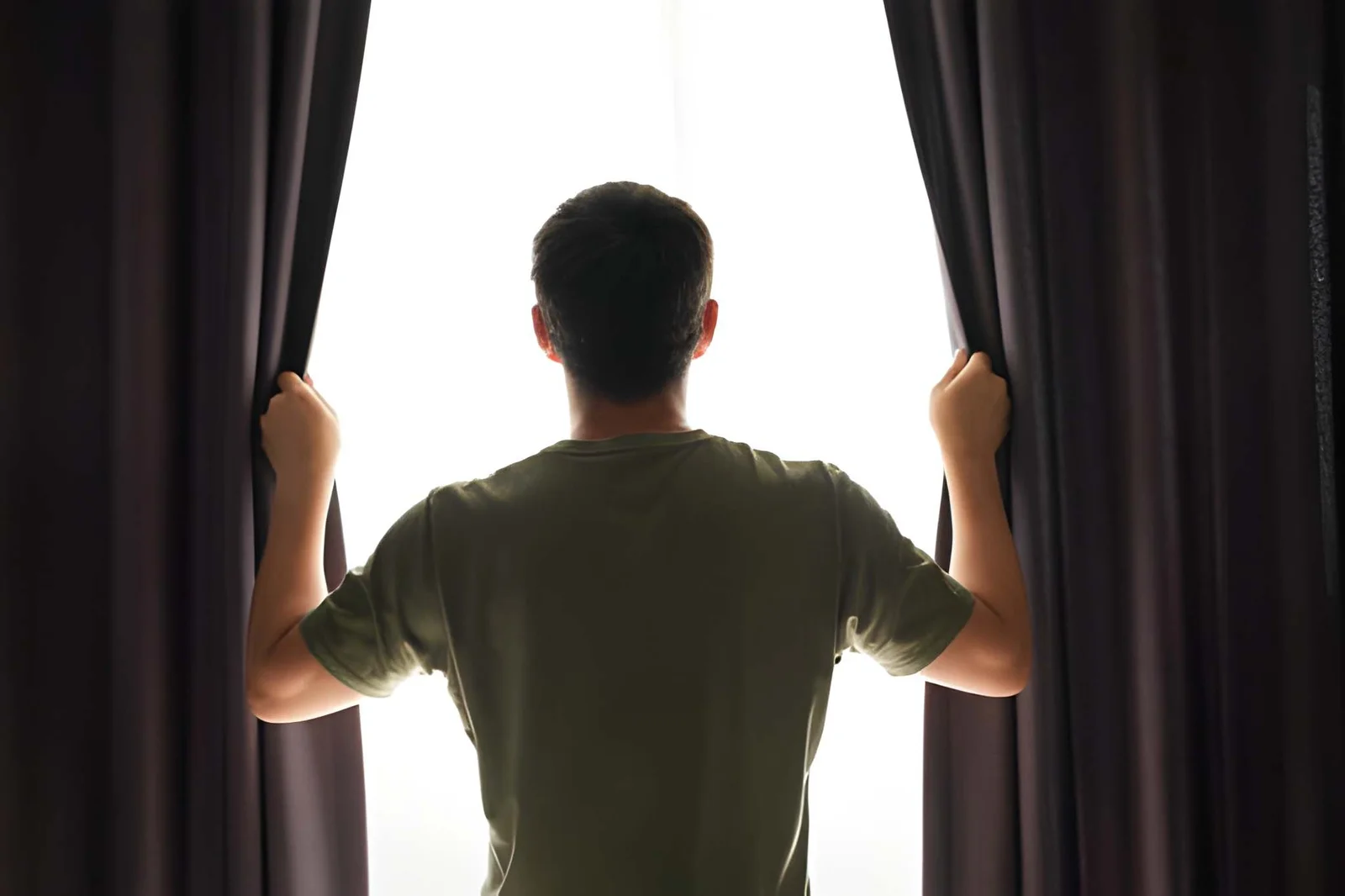
Nobody shops for window coverings first. You pick the bed, then the paint, maybe a rug, and the window ends up an afterthought. So you order the first curtains for bedroom use that look okay in the photo, hang them up, and call it done. Then 5:30 a.m. arrives and the sun lands right on your face. Or the neighbor’s porch light turns your ceiling orange all night, which is no fun either.
Curtains matter more than most people expect. They control how dark the room gets, how private it feels, and how much heat leaks through the glass, and sleep is where it all adds up. The CDC says adults need at least seven hours, and it lists a quiet, cool, relaxing bedroom as a habit worth building. Good curtains help with every bit of that.
Below you’ll find the main curtain types, a simple way to measure, and what tends to work in a home bedroom, a hostel dorm, or an office rest room. If you only read one line, make it this: buy lined, hang them high, and measure twice.
What Are the Best Curtains for a Bedroom?
For most people it’s lined blackout or thermal curtains. Go for a tight weave, mount the rod high and wide, and let the panels run all the way to the floor. And if you want a softer look during the day, hang a sheer behind them.
What’s a curtain, exactly? Wikipedia puts it simply: cloth hung to block or filter light, drafts, or water. Hung inside a window, you’ll often hear them called drapes.
Types of Curtains for Bedroom Windows
They’re not all built the same, so here are the five you’ll see most.
Blackout Curtains

Blackout curtains shut light out with a coated back or an extra dense weave. Wikipedia says a single coating stops roughly half to 70 percent of direct light, and three coats can stop almost all of it. If you work nights, or your window faces a street lamp, blackout fabric) is probably what you want. Fair warning, though: the room gets properly dark, so set an alarm.
Thermal Curtains
Thermal curtains are thick, and they slow down heat passing through the glass. In a hot city like Dubai that keeps the afternoon sun from cooking the room, and in a drafty London flat or a freezing Midwest winter it takes the bite out of the cold near the window. There’s one catch. If you leave a big gap between the fabric and the glass, air slips around the edges and most of the benefit goes with it.
Sheer Curtains

Sheers are the see-through ones, mostly voile. Light pours in, and people outside can’t see much during the day. After dark they do next to nothing for heat or light, so use them as a second layer and not on their own.
Velvet and Heavy Drapes
Velvet is heavy and quiet. It swallows echo, which is a big help if you’ve got tile or hardwood floors, and it blocks light well. The downside is dust. It grabs plenty, so keep a vacuum nearby.
Cotton and Linen Curtains
Cotton and linen look relaxed, and plenty of them can go in the washing machine. By themselves they let quite a bit of light through, so if you like sleeping in, get a lining.
Here is a quick comparison of bedroom curtain types:
| Type | Best for | Light control | Insulation | Upkeep |
|---|---|---|---|---|
| Blackout | Light sleepers, shift workers | Very high | Good | Easy to moderate |
| Thermal | Hot or cold climates | High | Very good | Moderate |
| Sheer | Daytime privacy | Low | Very low | Easy |
| Velvet | Noise control, luxury look | High | Good | Higher |
| Cotton or linen | Casual, washable style | Low to medium | Low to medium | Easy |
How to Choose the Right Curtains
Start With How You Sleep
Forget colors for a minute. What’s actually bugging you?
- Waking up at sunrise? Go with blackout or lined panels.
- Room roasting in summer or freezing in winter? Thermal, hung close to the glass.
- Just need privacy during the day? A sheer can handle that on its own.
Lamps count too. Warm bulbs look great against dark fabric, and our lighting and ceiling design section has more on that.
How to Measure Curtains for a Bedroom
Here’s the idea. The rod should be wider than the window and higher than the frame, and the panels should drop to the floor. The steps are below.
- Hang the rod 4 to 6 inches (10 to 15 cm) above the window frame. It makes the ceiling look taller.
- Let the rod stick out 6 to 12 inches (15 to 30 cm) on each side, so the panels clear the glass when they’re open.
- Measure from the rod to the floor, then knock off half an inch (about 1 cm) so the hem hovers.
- Buy panels that add up to 1.5 to 2 times the rod width. Anything less looks flat.
- Screw the brackets into studs, or use wall anchors. Lined panels are heavier than you’d think.
Brackets need something solid to grab. If your walls are plaster or concrete, the anchor tips in our guide on how to hang a heavy mirror work here too.
Tip: Measure width and height in three spots. Walls and frames are rarely straight, so use the biggest number.
Best Curtains for Different Bedroom Types
Home Bedrooms and Kids Rooms
In a small bedroom, light panels hung near the ceiling make everything feel bigger. For a kid’s room, pick something washable and cordless, because dangling cords are a real danger to little ones. Want layout ideas? Check our bedroom design section.
Hostels and Shared Rooms
Running a hostel? Think about wear and tear first. Guests sleep on different schedules, so light control matters, and the fabric has to survive a lot of washing. Look for a fire-retardant label and check your local fire rules before you order twenty panels. Curtains around the bunks are a nice touch too, since each guest gets some privacy and a dark corner of their own.
Offices and Rest Rooms
A rest corner in an office, or a hotel-style room, works well with neutral, wipe-friendly fabric and a blackout lining. Setting up the desk area as well? Our home office design ideas might help.
Colors, Patterns, and Style
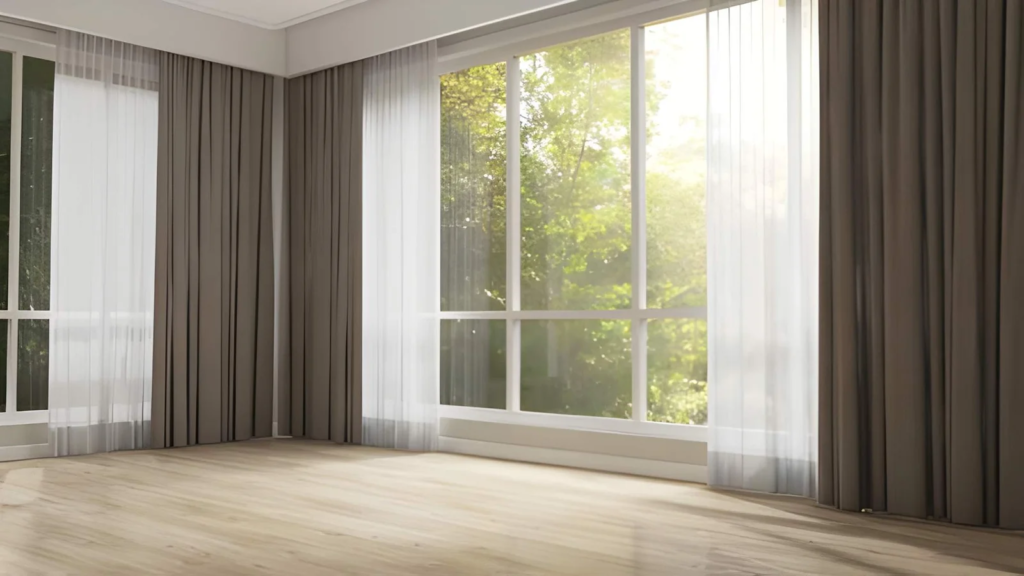
Beige, grey, and sage feel calm. Navy, charcoal, and forest green block more light and make a room feel snug. Small prints hide dust, while big bold ones can swallow a small room whole.
Pick something that works with your walls. Thinking of repainting? Our notes on painting and wall finishes may help, and it’s worth a quick look at current color and style trends before you buy.
Curtain Length and Rod Placement
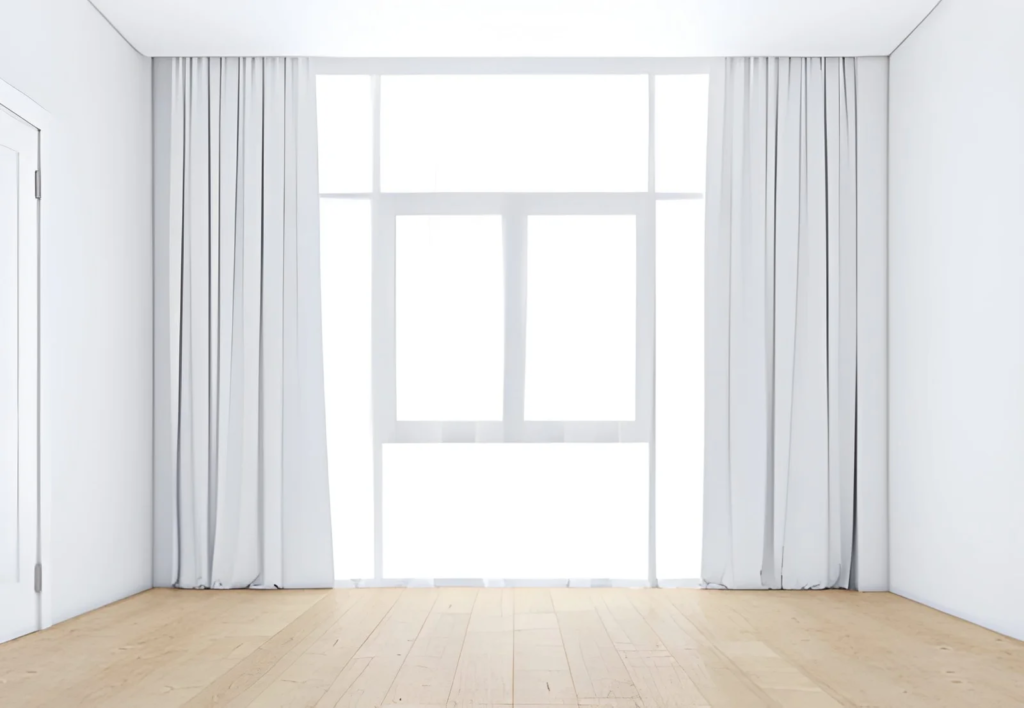
- Floor-length looks sharpest and blocks the most light.
- Sill-length suits a spot behind a desk or bed, but light leaks in underneath.
- Puddled panels look dramatic. They also trap dust, fast.
For a bedroom, floor-length panels hung near the ceiling are the safe bet.
How to Clean and Care for Bedroom Curtains
Vacuum once a month with a brush attachment, and wash the curtains a couple of times a year, following the label. Got a stain? Deal with it fast, before it sets. For routines that fit into a normal week, see our cleaning and maintenance tips.
Warning: Hot water and high heat can crack the coating on blackout fabric. Read the care label first.
Common Mistakes to Avoid
- Buying panels that are too narrow. They hang flat and look cheap.
- Mounting the rod right on the frame, which makes the wall look short.
- Skipping the lining, then wondering why mornings are still bright.
- Ignoring fire and safety labels in hostels and shared spaces.
- Ordering before you’ve measured twice.
Budget and Where to Buy
You don’t need a big budget. Spend on lining and fabric weight, not fancy patterns. Short on cash? Our budget decor ideas show how to refresh a room cheaply. Styling the whole house? It’s worth learning how much an interior designer costs first.
Once you have your numbers, shopping online is easy. You can filter by size, color, and rating: try blackout curtains on Amazon US, bedroom curtains on Amazon UK, or thermal curtains on Amazon UAE. Just check the return policy and the fabric weight before you pay.
Final Thoughts: Choose Curtains You Will Use Every Day
Think about how you sleep, measure twice, and pick a lined fabric that suits your climate. For most homes, blackout or thermal panels with a sheer behind them are the best curtains for bedroom windows. Tonight, grab a tape measure and write the numbers down, then compare two or three options. Want more ideas? Browse our latest home design guides.
FAQs
What color curtains are best for a bedroom?
Soft neutrals, muted blues, and quiet greens keep a room calm. If light is your main headache, go darker. Navy and charcoal both work.
Are blackout curtains good for sleep?
Often, yes. They cut early light and street glare, so many people sleep longer. Everyone’s different, though.
How long should bedroom curtains be?
Floor-length is the best default. Let the hem hover about half an inch off the floor, or just brush it.
Can I use sheer curtains alone in a bedroom?
You can, but they block almost no light and add little insulation. At night you’ll want something heavier in front.
How often should I wash bedroom curtains?
A couple of times a year is normal, with a monthly vacuum in between. Velvet and coated fabrics need gentler care, so read the label.
Do thermal curtains really save energy?
They can. When the curtain sits close to the glass, less heat gets through. How much you save depends on your climate and windows.


Join the conversation