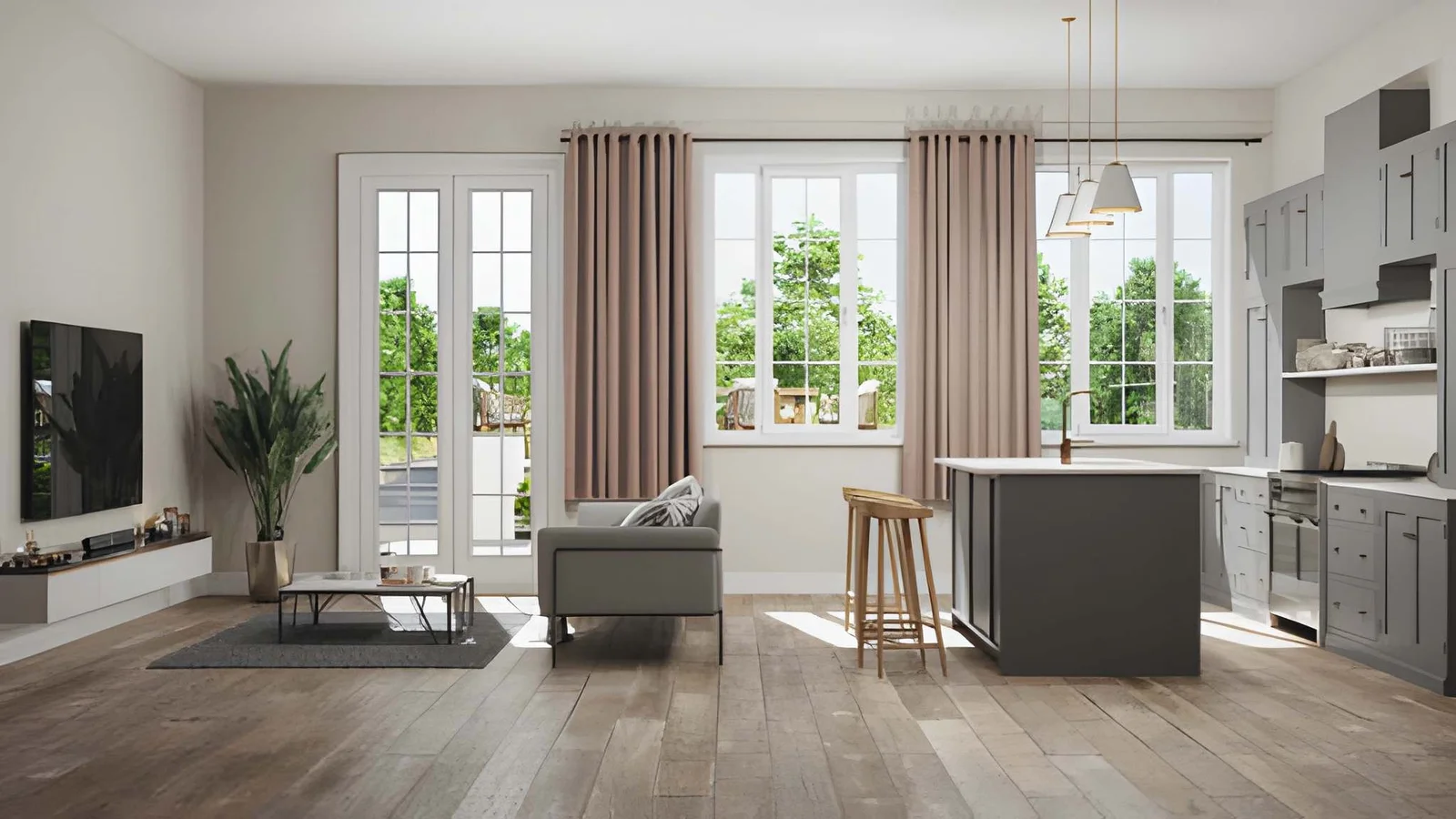
Bare windows are bad at their job. They let in too much sun at four in the afternoon, too little privacy at nine at night, and no warmth whatsoever. Hang curtains, and the room suddenly makes sense: the TV stops glaring, the walls look taller, the neighbors lose their free show. Hang the wrong curtains, and the problems just change shape. A sofa fades. A hem stops short of the floor. The whole thing looks borrowed.
The best curtains for living room windows follow a handful of rules. Lined or tightly woven fabric. A rod placed well above the glass. Panels wide enough to look full. Wikipedia frames curtains as window decor that controls both mood and the flow of daylight, and that pairing of looks and function is the whole story here.
Below: fabric types, sizing, hanging height, layering, care, and a few notes for small rooms, sliding doors, office lounges, and hostel common areas.
What Are the Best Curtains for a Living Room?
Short answer: lined or light-filtering panels in a neutral color, with the rod hung high and wide. A sheer can be added if softer daylight is wanted. Blackout lining suits rooms with brutal afternoon sun or a TV beside the window.
A curtain, plainly put, is cloth hung to block or filter light, drafts, or water. Inside a window, the same thing is often called a drape.
Types of Curtains for Living Room Windows
Five fabrics cover most of what is sold.
Sheer Curtains

Voile and its relatives (thin, see-through, airy) turn harsh daylight into a soft glow. UV protection is basic and insulation close to zero. After sunset, with lamps on, the privacy vanishes and the room becomes a fishbowl. Sheers do best as an inner layer.
Light-Filtering Curtains
The workhorse. Tightly woven cotton or polyester blends, mostly opaque, glowing a little when the sun hits. Insulation is decent. Strong light still sneaks through, which is fine for most rooms.
Blackout and Thermal Curtains
Dense weave, rubbery coating, or extra layers. One coat absorbs roughly 50 to 70 percent of direct light, and three coats can block nearly everything, according to Wikipedia’s page on blackout fabric). Sunny west-facing rooms, home theaters, and day sleepers are the usual customers.
Velvet and Heavy Drapes
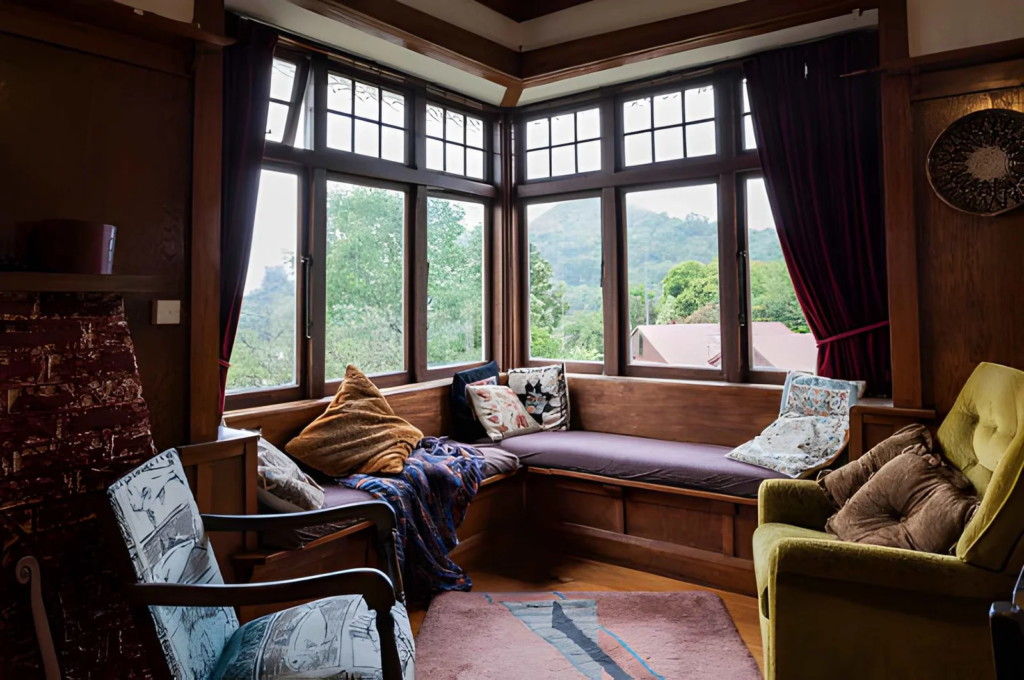
Rich, heavy, quiet. Velvet soaks up echo in rooms with tile or hardwood, which is a bonus few other fabrics offer. Dust loves it, and the weight demands a sturdy rod.
Linen and Cotton Curtains
Wrinkles are part of the deal. Linen looks relaxed, washes easily, and lets a lot of light through, so a lining helps.
A quick comparison of the five types:
| Type | Light control | Privacy | Look | Best for |
|---|---|---|---|---|
| Sheer | Low | Daytime only | Soft and airy | Layering, bright rooms |
| Light-filtering | Medium | Good | Clean and classic | Most living rooms |
| Blackout or thermal | Very high | Excellent | Plain to rich | Sunny rooms, TV rooms |
| Velvet | High | Excellent | Formal and cozy | Echoey, hard-floor rooms |
| Linen or cotton | Low to medium | Fair | Relaxed and textured | Casual spaces |
How to Choose Living Room Curtains
Start With the Light
Standing at the window around 3 p.m. answers most questions. Blazing sun calls for lined or thermal panels, while a gloomy room wants sheers and pale shades. Lamps matter too, since curtains change a room after dark. The lighting and ceiling design pages have pairing ideas.
Think About Privacy
Ground-floor and street-facing rooms need coverage that survives the evening. Sheers stop working once indoor lights outshine the street. A heavier layer fixes that.
Think About Daily Life
Pets, toddlers, sticky hands: washable fabric in a forgiving color. Sun fades sofas and wood floors over the years, and lining slows that. Labels matter as well, because fabrics differ in how well they resist UV light and dust.
Best Curtains for Different Living Rooms
Small Living Rooms
Pale panels hung near the ceiling stretch the walls. Busy patterns and ruffles do the opposite. More tips are in the guide to decorating a small living room.
Big Windows and Sliding Doors
A wall of glass needs room beside the window so panels can stack back clear of the view. Heavy fabric over a long span suits a ceiling track better than a rod. Tracks carry weight and glide.
Rooms With a TV
Daytime glare ruins movie night, and lined curtains cut the reflections. Satin and other shiny fabrics bounce light around the room and are best kept away from the screen.
Curtains for Offices, Hostel Lounges, and Shared Spaces
Hostel lounges, waiting areas, and office break rooms wear out fabric quickly. Washable, neutral material with a fire-retardant label is the standard pick, and local fire rules should be checked before any bulk order. Lining keeps screens readable as the sun moves. Desk zones next to a lounge can borrow layouts from the home office design section.
Colors, Patterns, and Style
Cream, grey, and warm beige partner easily with almost any furniture. Deep green, navy, or rust bring more character and hide marks better. Small prints stay quiet. Large ones need space and plain walls.
Exact matches with the sofa look stiff, and curtains work better as cousins than twins. Repainting plans are covered under painting and wall finishes, current palettes under color and style trends, and pairing ideas under furniture and accent pieces.
How to Layer Curtains for a Polished Look

A sheer goes on the inner rod, a heavy drape on the outer one. Daytime: sheer closed, soft light, privacy. Evening: drapes pulled, room sealed and cozy. A double rod holds both layers.
How to Measure and Hang Living Room Curtains
Five numbers decide the result.
- Rod height: 4 to 6 inches (10 to 15 cm) above the frame, higher still if the ceiling allows.
- Rod width: 6 to 12 inches (15 to 30 cm) past each side, so open panels leave the glass clear.
- Length: rod to floor, minus half an inch (about 1 cm) for a clean hover.
- Fullness: total fabric width of 1.5 to 2 times the rod.
- Mounting: studs or sturdy wall anchors, since long panels weigh more than expected.
Anchor tips from the guide on how to hang a heavy mirror carry over to curtain brackets.
Tip: Walls and frames are rarely straight. Measuring width and height at three points and using the largest number avoids surprises.
Curtain Length and Rod Height
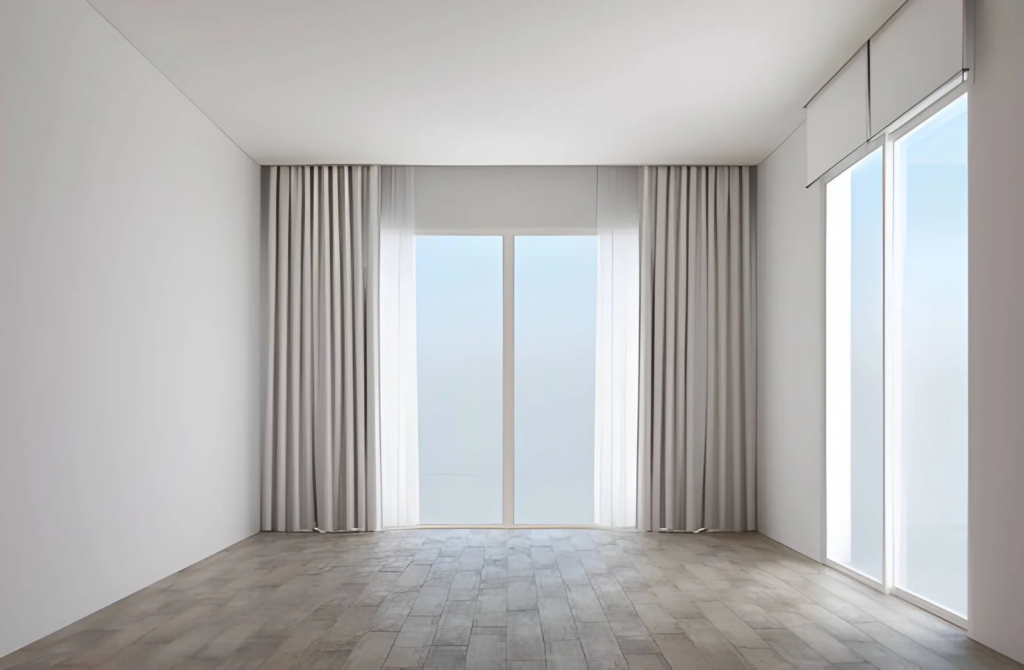
Floor-length reads as polished almost everywhere. Sill-length belongs above a radiator or behind a sofa. Puddled panels pool on the floor like a dramatic gown, collecting dust and footprints. When in doubt, floor-length with a high rod wins.
How to Clean and Care for Living Room Curtains
Living rooms collect dust faster than bedrooms. A monthly vacuum with a brush attachment handles most of it, and a gentle wash once or twice a year covers the rest, if the label permits. Simple routines live in the cleaning and maintenance tips section.
Warning: Some velvet, lined, and coated curtains should never go in a washing machine. The care label has the final word.
Common Mistakes to Avoid
- Skimpy panels that hang flat.
- A rod mounted right on the frame, which shrinks the wall.
- Fabric bought before sun exposure was checked.
- TV glare and nighttime privacy forgotten.
- One measurement taken instead of two.
Budget and Where to Buy
Good curtains rarely need a big budget. Money works hardest in lining and fabric weight, not in pattern. The guide to decorate a living room with simple things shows how far modest spending stretches, and the budget decor ideas section adds more. Whole-home projects raise a different question, covered in how much an interior designer costs.
Marketplace searches help with comparison once measurements exist: curtains for living room on Amazon US, living room curtains on Amazon UK, and living room curtains on Amazon UAE. Fabric weight, lining details, and return terms deserve a look before checkout.
Final Thoughts: Choose Curtains That Fit How the Room Is Used
Light, privacy, and style: curtains for a living room have to juggle all three. Lined or light-filtering fabric, a rod set high and wide, and an optional sheer handle most situations. The next move is simple. Measure the windows, line up two or three candidates, and compare. More room ideas live in the living room design section and the latest home design guides.
FAQs
What color curtains are best for a living room?
Soft neutrals like cream, grey, and warm beige are the safest bet. Deep green, navy, and rust suit rooms that want more personality.
Should living room curtains touch the floor?
A hover of about half an inch looks cleaner than full contact and keeps the hem out of the dust.
How high should living room curtains hang?
The rod normally sits 4 to 6 inches above the window frame. Closer to the ceiling adds even more height.
Can sheer curtains be used alone in a living room?
By day, yes. At night, with lights on, almost no privacy remains, so a heavier layer is needed.
How wide should living room curtains be?
Total panel width should land between 1.5 and 2 times the rod width.
Do curtains make a living room look bigger?
They can. Light colors and a rod hung high and wide stretch the walls and make windows look larger.



Join the conversation